









Can what you eat really affect your ability to get pregnant? The short answer is yes — it can. Food can't overcome every fertility challenge (no amount of kale will unblock a fallopian tube, for example), but a growing body of research shows that the way you eat can support your body's natural reproductive processes and even support the outcomes of treatments like IVF.
What we put into our bodies plays a crucial role not only in the chances of conception but also in nurturing our overall health. In fact, the American Society for Reproductive Medicine (ASRM) formally addressed nutrition in its 2022 Optimizing Natural Fertility committee opinion, listing diet among the factors clinicians should consider for anyone hoping to conceive. And the most comprehensive dataset we have — Harvard's Nurses' Health Study II, which followed more than 17,000 women — identified a specific eating pattern researchers named the "fertility diet."
Here's what that research actually shows, the nutrients that do the heavy lifting, and how to start.
Key Takeaways
- The "fertility diet" identified in Harvard's Nurses' Health Study II was associated with a 66% lower risk of ovulatory-disorder infertility — the pattern (more monounsaturated fat, more plant protein, low-glycemic carbohydrates, full-fat dairy, and plant-based iron) closely mirrors a Mediterranean way of eating, making it the most evidence-backed dietary framework for people who are TTC.
- ASRM formally recognized nutrition as a fertility factor in its 2022 Optimizing Natural Fertility opinion — diet is now treated as a legitimate, modifiable lever alongside timing and lifestyle, not a fringe idea.
- Eggs and sperm both take roughly 90 days to mature, so diet and supplement changes are best started about three months before trying to conceive — this window is when nutrients like folate, omega-3 DHA, and CoQ10 can support the cells that are developing right now.
- Food-first is the foundation, but common shortfalls in folate, omega-3s, vitamin D, choline, and iron mean a well-formulated prenatal helps fill the gaps — even a nutrient-dense diet can leave measurable deficiencies, which is why most preconception guidance pairs diet with targeted supplementation.
- Start with your plate, layer in a comprehensive prenatal, and give your body a three-month runway — small, consistent changes to your fats, protein sources, and micronutrient intake are the highest-leverage steps you can take before conception.
What Research Says About The Fertility Diet
Rigorous research has established a few key points when it comes to diet and trying to conceive (TTC):
- Being significantly underweight or overweight can make conception harder.
- Folate before conception has a proven, decades-old benefit for healthy neural tube development.
- Avoid high-mercury seafood while TTC and during pregnancy.
Beyond those established basics, the most compelling argument for the fertility diet comes from the Nurses' Health Study II, analyzed by Harvard researchers. The large-scale study followed 17,544 women over eight years, and found that women whose diets most closely matched a "fertility diet" pattern had a 66% lower risk of infertility from ovulatory disorders and a 27% lower risk of infertility from other causes compared to women whose diets matched it least.
What to Add to Your Plate
The "fertility diet" pattern isn't a restrictive plan — it's a set of trade-offs you can start making today. Here's the foundation, straight from the research:
- Trade trans fats for monounsaturated fats. Think extra virgin olive oil, avocados, and nuts. The ratio of healthy-to-harmful fats was one of the strongest signals in the Nurses' Health Study data.
- Lean into plant protein. Swapping some animal protein for lentils, chickpeas, beans, tofu, and seitan was associated with lower ovulatory infertility risk in the same research.
- Choose low-glycemic, high-fiber carbohydrates. Whole grains like oats, quinoa, brown rice, bulgur, and rye release energy slowly and help maintain steady blood sugar — a factor closely tied to hormonal balance.
- Fill half your plate with colorful produce. Berries, leafy greens, carrots, sweet potatoes, and bell peppers deliver the antioxidants, fiber, and vitamins that support healthy eggs and sperm.
- Don't fear full-fat dairy. In the Nurses' Health Study, full-fat dairy was associated with a lower risk of ovulatory infertility, while low-fat dairy trended the other way.
The Key Nutrients for Fertility — and How to Easily Add Them to Your Diet
Yes, you need a food-first, varied diet, but what specific nutrients should you focus on? The below nutrients are most consistently connected to reproductive health, what each one supports, and how to get it on your plate.
Leafy Greens for Folate Boost
Dark, leafy greens such as spinach and kale are rich in folate, a B-vitamin linked to improved fertility. Folate plays a vital role in DNA synthesis and repair, making it a key nutrient for both men and women preparing for conception.
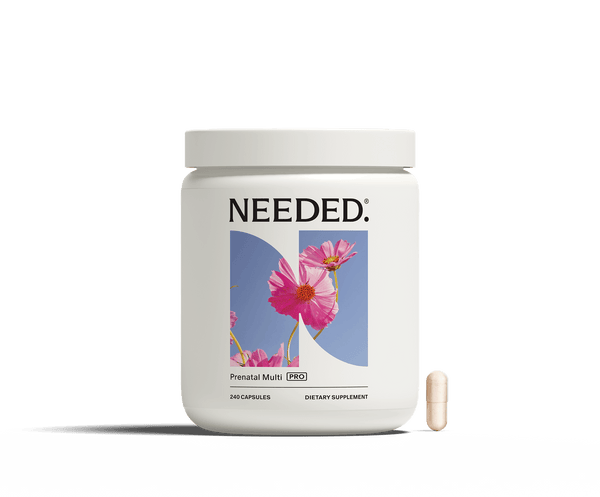
The FDA has continued to affirm its guidance on the vital importance of folate in helping to prevent bcongenital disabilitiesand recommends not just increasing your intake of foods such as leafy greens but also supplementing with folic acid at least one month before you start TTC. Other studies recommend at least three months before if possible. Our Prenatal Multi is designed with this in mind and provides you with an optimal amount of folate.
Choline
Choline works alongside folate to support fetal brain development, yet the vast majority of women of reproductive age fall short of the recommended intake. The richest sources are egg yolks and liver, which makes choline one of the harder nutrients to cover through diet alone.
Antioxidants: Vitamins C & E, Beta-Carotene, Selenium & Zinc
Antioxidants protect reproductive cells from damage, contributing to the overall health of eggs and sperm. This group of superfoods supports the body's defense against oxidative stress, which can affect the health of both eggs and sperm. Colorful fruits and vegetables cover vitamin C, E, and beta-carotene; Brazil nuts (selenium), oysters, and pumpkin seeds (zinc) round out the male-fertility side of the equation.
Omega-3 Fatty Acids from Fatty Fish
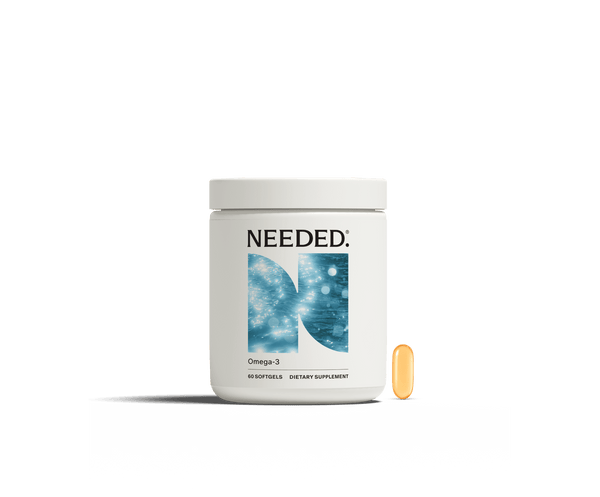
Salmon, mackerel, and sardines are excellent sources of omega-3 fatty acids. These essential fats regulate hormonal balance, improve blood flow to reproductive organs, and enhance sperm quality. If you're still having issues hitting your daily omega-3 target, consider adding a supplement.
Whole Grains for Complex Carbohydrates
Opting for whole grains like quinoa, brown rice, and oats provides a steady release of energy. Complex carbohydrates help stabilize blood sugar levels, supporting hormonal balance critical for fertility.
Nuts and Seeds for Nutrient Powerhouses
Almonds, walnuts, flaxseeds, and sunflower seeds offer a nutrient-rich blend of vitamins, minerals, and essential fatty acids. These power-packed snacks contribute to reproductive health and hormonal equilibrium.
Dairy or Fortified Plant-Based Alternatives for Vitamin D
Vitamin D is crucial for fertility, and dairy products or fortified plant-based alternatives like almond or soy milk can be excellent sources. Adequate vitamin D levels are linked to improved embryo implantation.
Lean Proteins for Amino Acid Boost
Include lean proteins such as poultry, fish, and tofu in your diet for a sufficient intake of amino acids. Amino acids are building blocks for reproductive hormones and support the development of healthy eggs and sperm.
For Your Partner: Coenzyme Q10 for Sperm Health
This powerful antioxidant, found in nuts, fish, and whole grains, is linked to improved sperm motility and overall sperm quality. Consider incorporating coenzyme Q10-rich foods or supplements into your diet.
Why are Supplements Advised Alongside a Healthy Diet When TTC?
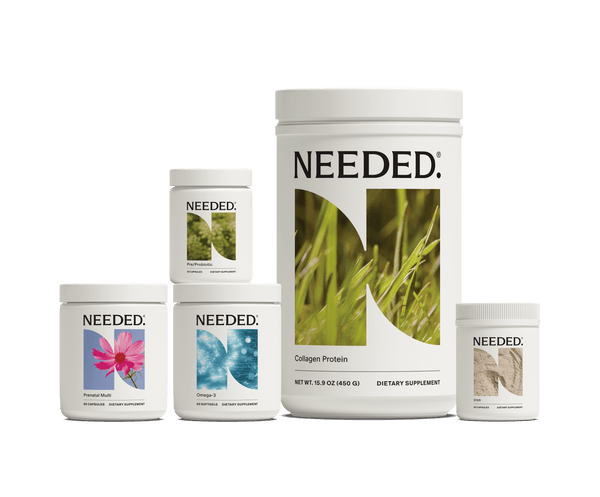
While food and diet are a vital part of the equation, studies have shown that women, in particular, are often deficient in essential nutrients. Modern farming practices, busy lifestyles, and external toxins have made it more difficult to get the optimal levels of nutrients needed. That is why we created Needed to study and deliver products that provide solutions to meet our nutritional needs at "Radically Better" levels, like our Fertility Support Plan.
What to Limit or Avoid
Some foods and habits work against the pattern above. While you're TTC, aim to limit or skip:
- Trans fats — the single dietary factor most consistently linked to higher ovulatory infertility risk.
- Refined, high-glycemic carbohydrates — white bread, sugary drinks, and heavily processed snacks that spike blood sugar.
- Ultra-processed foods in general.
- Alcohol — especially once you're actively trying or in treatment.
- Excess caffeine — most preconception guidance suggests keeping intake moderate (commonly cited at under ~200 mg per day, roughly one to two cups of coffee). [NEEDED TEAM: confirm the caffeine figure you want to standardize on across content.]
- High-mercury seafood — swordfish, king mackerel, tilefish, and shark.
When to Start Taking Prenatal Supplements? Sooner Than You Think
Many women start faithfully taking their daily prenatal as soon as they find out they're expecting, but you should start even earlier — ideally about three months ahead. There's a biological reason: both eggs and sperm take roughly 90 days to mature, so today's diet will support tomorrow's nutritonal makeup. This is the window where folate, omega-3 DHA, and antioxidants can do the most to support healthy development.
A preconception check-in with your provider can also uncover nutrient deficiencies through simple bloodwork — getting ahead of those supports both your fertility foundation and a healthy pregnancy down the road.
Frequently Asked Questions
Does a fertility diet work for men too? Yes. Sperm health is just as responsive to nutrition as egg health. Antioxidants (vitamins C and E, selenium, zinc), omega-3s, and CoQ10 all support healthy sperm development, and the same "less trans fat, more whole foods" pattern applies. Since sperm take about 90 days to mature, the three-month runway matters for both partners.
How long before trying to conceive should I change my diet? About three months is the sweet spot. Because eggs and sperm take roughly 90 days to mature, dietary and supplement changes made now support the cells that will be involved when you start trying. Folate specifically should be in place at least one to three months before conception.
What foods should I avoid on a fertility diet? The clearest one to cut is trans fats. Beyond that, aim to limit refined and high-glycemic carbohydrates, ultra-processed foods, alcohol, excess caffeine, and high-mercury fish like swordfish and king mackerel.
Can diet alone resolve fertility issues? No — and it's important to be honest about that. Diet is a meaningful, modifiable factor that can support your body's natural processes, but it can't override structural or medical causes of infertility. Think of nutrition as building the strongest possible foundation, alongside guidance from your healthcare provider.
Does the fertility diet help with IVF? Research suggests a Mediterranean-style eating pattern is associated with more favorable outcomes for people undergoing assisted reproduction, though it's one supportive factor among many. Your fertility team can give you guidance specific to your treatment plan.
Is there a best diet for fertility if I have PCOS? Nutrition that supports steady blood sugar — low-glycemic carbohydrates, fiber, protein, and healthy fats — is generally emphasized for cycle regularity. Because PCOS is a medical condition, it's best to work with your healthcare provider or a registered dietitian on a plan tailored to you.
The Bottom Line
While the path to conception may be unpredictable, embracing a fertility-focused nutrition plan can be a proactive step towards a healthier and potentially more successful journey. By incorporating these scientifically proven foods and supplements into your diet, you're not only optimizing your chances of conception but also nurturing your overall well-being. Remember, the journey may be uncertain, but the power to nourish your body is firmly within your grasp.
Explore Needed's Fertility Support Plan →


