










We know that Vitamin D is crucial during pregnancy, but the truth is, Vitamin D is just as important (if not more) in postpartum.
Key Takeaways
- Breastfeeding mothers need about 6,400 IU of Vitamin D daily for breast milk to supply enough Vitamin D to their infant — a study published in Pediatrics found this maternal dose kept both mother and baby at sufficient levels, matching the effect of giving the infant 400 IU directly.
- Only 19% of infants receive Vitamin D supplementation — research in Pediatrics shows most babies fall short of the recommended 400 IU per day, whether through drops, breast milk, or roughly 32 oz. of fortified formula.
- Roughly 35% of women of childbearing age have insufficient Vitamin D, and breastfeeding is associated with a fourfold higher risk — symptoms like fatigue, mood changes, and hair loss overlap with normal newborn life, so low levels often go unnoticed.
- Vitamin D3 and Vitamin K2 work together to support where calcium goes — Vitamin D helps the intestines absorb calcium, while Vitamin K2 helps direct that calcium toward bones rather than artery walls.
- A 25-hydroxyvitamin D blood test during and after pregnancy is the most reliable way to know your status — because symptoms are unreliable, testing before adjusting supplementation is the smartest next step for postpartum mothers.
What is Vitamin D
Vitamin D is often referred to as a fat-soluble nutrient, but it is technically a prohormone (a precursor, or building block, of a hormone). It helps regulate hundreds of genes throughout the body and contributes to the maintenance of healthy bones, muscles, teeth, immune and cardiovascular health, mood, and cognitive function.
It is found in limited foods, such as salmon, sardines, beef liver, and some mushrooms. The body synthesizes Vitamin D from sunlight, but factors like sunscreen, skin coverage, location, season, and skin pigmentation can limit production.
Since food sources of Vitamin D are limited and the amount synthesized from the sun is difficult to measure, Vitamin D supplements are commonly recommended.
Why Vitamin D is Needed Postpartum
Vitamin D remains critical for both during the postpartum months, whether or not you choose to breastfeed.
- For you, Vitamin D continues to provide support for immunity, mood and brain health, bone health, thyroid health, and blood sugar metabolism.
- For baby, Vitamin D supports immunity and the development and health of bones and teeth.
Vitamin D and Breastfeeding
Vitamin D in breastmilk depends on your diet, supplements and exposure to sunlight. While breastmilk contains Vitamin D, without sufficient supplementation, you may not have enough in your breastmilk.
In addition, when a baby gets Vitamin D through breast milk, they also get Vitamin K2 (assuming you supplement with a high-quality Vitamin D3/K2). Most infant supplements include only Vitamin D, but K2 helps support the effectiveness of Vitamin D’s role in bone health, and one study found that even babies who receive a Vitamin K shot at birth had no detectable levels of Vitamin K at 4 weeks of age.
How Much Vitamin D is Needed Postpartum
As in pregnancy, the adequate amount of Vitamin D depends on a number of factors, primarily current Vitamin D levels. However, we have some general guidelines assuming that current Vitamin D levels are sufficient. Of course, if you aren’t sure what your levels are, you can request a test from your healthcare provider or order your own to take at home.
Vitamin D for Baby
Existing research suggests that infants need 400 IU of Vitamin D per day. Infants can get this one of three ways:
- Direct supplementation: Infants can be supplemented directly with a Vitamin D3 drop in a bottle of expressed milk or formula, or on the nipple prior to breastfeeding.
- Through breast milk: Infants can obtain sufficient Vitamin D through breast milk only if you are supplementing with at least 6,400 IU of Vitamin D daily. Note, this amount was determined through a study that compared maternal Vitamin D supplementation at several different doses to infant Vitamin D supplementation at 400 IU. The study tracked maternal and infant Vitamin D levels at baseline, 4 months and 7 months and concluded that 6,400 IU was sufficient for both mother and baby.
- Through infant formula: Infant formula is already fortified with Vitamin D, infants consuming 32 oz. of formula daily do not need additional supplementation.
Vitamin D for Mother
As we discussed in our comprehensive article on Vitamin D deficiency, the RDA for Vitamin D may be too conservative. A growing body of research suggests that an optimal dose of Vitamin D for women who are currently within a healthy range of blood Vitamin D levels is 4,000 IU daily (as compared to the current RDA of 600 IU).
This recommendation remains the same in the Fourth Trimester and beyond so long as you are supplementing baby with 400 IU directly. If not, you will need at least 6,400 IU to cover you and your baby's needs.
Common Symptoms of Postpartum Vitamin D Deficiency
So how do you know if you aren't getting enough Vitamin D? Many women experience few symptoms, or the symptoms they do experience are easily explained by other life circumstances (like having a newborn). Fortunately, Vitamin D testing is relatively easy and affordable. We suggest requesting a test from your practitioner during and after pregnancy.
Signs of low Vitamin D can include fatigue, bone loss, muscle weakness or aches, mood changes, poor wound healing, frequent illness, and hair loss.
Risks and Complications of Deficiency
Only 19% of infants receive Vitamin D supplementation, according to research published in Pediatrics — so many families have room to better support healthy levels. Maintaining sufficient Vitamin D matters for both mother and baby.
For mother, healthy Vitamin D levels are associated with mood and mental well-being, immune function, bone density, cardiovascular health, and healthy blood sugar metabolism.
For baby, healthy Vitamin D levels support the development of strong bones and teeth, as well as healthy dental enamel.
Risk Factors for Low Vitamin D Postpartum
Through no fault of your own, you may be at increased risk for low Vitamin D. Some risk factors include:
- Limited sun exposure
- Darker skin pigmentation
- Living in northern latitudes
- Higher body weight
- Certain medical conditions
- Insufficient Vitamin D intake during pregnancy
How Vitamin D Status Is Checked
If you'd like to know your status, you can ask for a test. A blood test measuring 25-hydroxyvitamin D levels is the standard way to assess Vitamin D status. Tests are easy, affordable, and available from healthcare providers or as at-home kits.
Form and Cofactors Matter
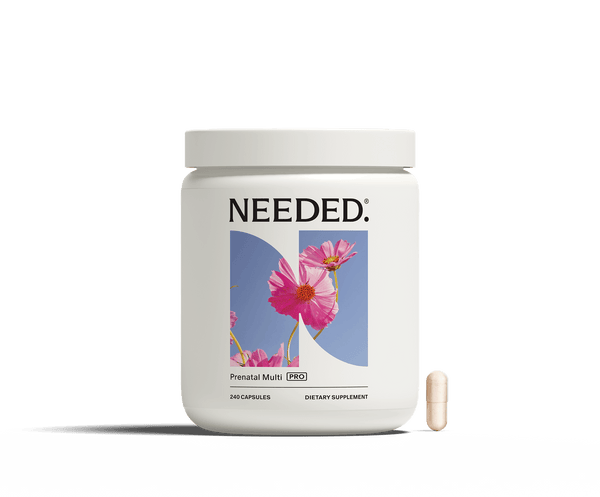
We’ve discussed the benefits of Vitamin D3 over D2 previously and include Vitamin D3 in our Prenatal Multi formulas for optimal absorption. In addition, we pair Vitamin D3 with Vitamin K2 (the more absorbable form of Vitamin K). We do this to support optimal bone and heart health, because the interaction between Vitamin D, Vitamin K, and Calcium matters.
While Vitamin D helps your intestines efficiently absorb calcium, Vitamin K2 helps direct Calcium into your bones. This ensures that the Calcium you consume is used to strengthen bones (boosting bone health) and does not end up lining the walls of your arteries (damaging cardiovascular health). Yes, this means that even if you consume plenty of Calcium, it will not be properly absorbed without the help of Vitamins D3 and K2.
How You Can Help Postpartum Vitamin D Deficiency
The good news is that you can supplement with Vitamin D to better support your needs. Other options include:
- Vitamin D3 supplements: Adjust dosage based on test results.
- High-dose therapy: For severe deficiencies.
- Combination supplements: With D3 and K2 for bone and cardiovascular support.
- Sunlight exposure: Moderate, safe sun exposure when possible.
Foods That Contribute to Vitamin D Intake
In addition to supplementation and sunlight exposure, you may also incorporate certain foods into your diet that have high amounts of Vitamin D, such as:
- Fatty fish (salmon, mackerel, sardines)
- Beef liver
- Egg yolks
- Fortified foods (milk, orange juice, cereals)
- UV-exposed mushrooms
Maintaining Healthy Vitamin D Levels Postpartum
The best defense is a good offense, and preventing Vitamin D deficiency could be as simple as adding a good vitamin to your everyday routine, a balanced diet, and [safely] getting out in the sun every day. You can also:
- Regular testing: Monitor levels during and after pregnancy.
- Daily supplementation: Maintain a consistent routine.
- Balanced diet: Include Vitamin D-rich foods.
- Sunlight: Get moderate sun exposure.
- Use of multivitamins: Ensure they contain adequate amounts of Vitamin D and K2.
When to Consult a Doctor
- If experiencing persistent fatigue, pain, or mood changes.
- If the baby shows signs of rickets or other symptoms.
- Before starting high-dose Vitamin D supplements.
- For personalized supplement recommendations based on test results.
FAQ
Is vitamin D deficiency common postpartum?
The rates of Vitamin D deficiency in all women of childbearing years are around ~35%, so it's not surprising that many women may deal with deficiency after delivery. Having lower levels during pregnancy increases your risk of postpartum Vitamin D deficiency.
What are signs of low vitamin D?
The signs of low vitamin D are: Fatigue. Bone loss. Muscle weakness or aches. Mood changes. Poor wound healing. Getting sick often. Hair loss
Can breastfeeding cause vitamin D deficiency in mother?
According to research, breastfeeding women have a higher risk of Vitamin D deficiency than those who are not breastfeeding.
How long does it take for babies to recover from vitamin D deficiency?
The time it takes to recover from Vitamin D deficiency depends on several factors, though research recommends at least 2-3 months of supplementation for babies. Then you should re-test to check their levels.
What depletes vitamin D?
Inadequate sun exposure, malnutrition, darker skin pigment, certain medications and kidney or liver failure can deplete your Vitamin D levels.
The Bottom Line
Vitamin D is often overlooked during the postpartum period, but it's important for you and your baby. From immunity to mood to bone health, maintaining healthy levels matters. Prioritize testing, a consistent routine, and adequate cofactors, such as Vitamin K2, to help you and your baby thrive during the Fourth Trimester and beyond.
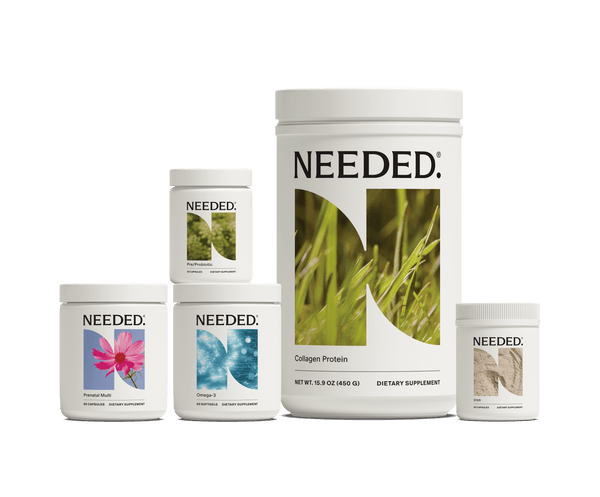
Check Needed's line of prenatal supplements to support you during pregnancy and beyond.


