









What to Look for in a Postpartum Multivitamin?
A good postpartum multivitamin is designed to support recovery after pregnancy by replenishing depleted nutrients, supporting hormone balance, and, if breastfeeding, maintaining the nutritional quality of breast milk.
Key nutrients commonly needed postpartum include iron, DHA, iodine, choline, vitamin D, B vitamins, calcium, magnesium, and zinc. But how do you know which one to choose? It’s important to look for targeted nutrients, bioavailable forms, and appropriate dosages that reflect the body’s needs after birth.
In this guide, we’ll review everything you need to know about choosing a postpartum multivitamin that’s nourishing and effective.
What Is a Postpartum Multivitamin?
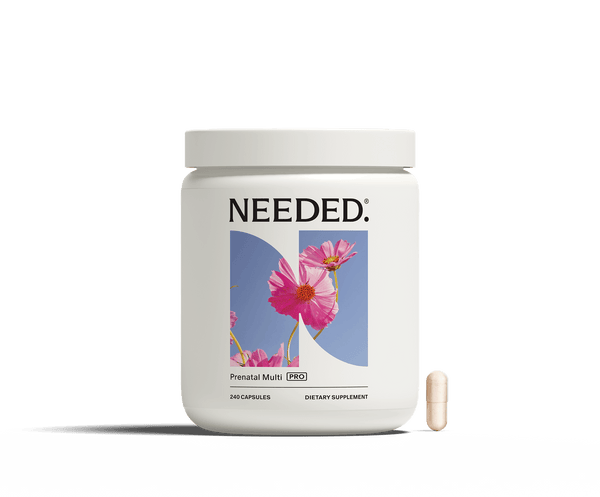
A postpartum multivitamin is a supplement specifically formulated to support the body during the postpartum recovery period.
Unlike standard multivitamins, postpartum (also called postnatal) multivitamins prioritize nutrients that support healing, energy metabolism, bone health, and milk nutrient composition rather than general wellness. They’re designed to support nutrients you may have lost during pregnancy and the recovery period after labor.
Everyone’s needs are unique, but a baseline understanding of postpartum nutrition can help you make a decision that fully supports your recovery needs.
Why Nutrient Needs Change After Pregnancy
Pregnancy and childbirth are physically demanding for various reasons; blood loss during delivery, hormonal changes, and sleep deprivation all significantly affect your recovery.
Additionally, if you’re breastfeeding, your hydration and nutrient needs increase after pregnancy. Postpartum nutrient needs vary based on delivery type, breastfeeding status, diet quality, and whether prenatal supplementation adequately met needs. Thoughtful postpartum recovery nutrition helps bridge these gaps.
Key Nutrients to Look For in a Postpartum Multivitamin
A quality postpartum multivitamin targets the nutrients lost during pregnancy and childbirth and supports your daily needs with clinically-proven ingredients. Look for the following minerals and vitamins, commonly prioritized for their roles in recovery, energy, and infant development (when breastfeeding).
Iron
Your iron needs increase during pregnancy to support the necessary blood volume for your growing baby–it’s also essential for energy levels and cognitive function. The World Health Organization recommends supplementing at least six weeks postpartum, and everyone’s needs are highly individual. So, speak with your healthcare provider to determine the right dosage.
DHA and Omega-3 Fatty Acids
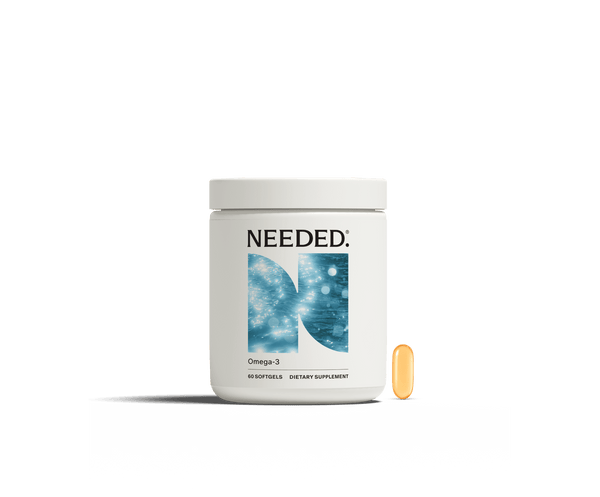
Docosahexaenoic acid (DHA) is a vital omega-3 fatty acid that supports infant brain and eye development. Some research suggests that supplementing with omega-3 can contribute to maternal mental health. Maternal DHA intake directly influences breast milk DHA levels, underscoring the importance of postpartum DHA intake during breastfeeding.
Iodine and Choline
Iodine and choline support infant thyroid function and brain development through breast milk. Iodine is an essential trace nutrient for newborns, found in breast milk. Optimal amounts are measured via breast milk iodine concentration (BMIC), with normal ranges between 15–1153 µg/L. Choline requirements are often under-met via diet alone, so many experts recommend supplementation.
Vitamin D
Vitamin D plays a role in immune function, bone health, and infant skeletal development. Deficiency is common postpartum, particularly in areas with low sunlight, making vitamin D supplementation an important consideration, especially if you are breastfeeding.
B Vitamins (Including B12 and Folate)
B vitamins support energy metabolism, nervous system function, and red blood cell production. Vitamin B12 intake during breastfeeding is especially important for neurological development, particularly among vegetarians and those with limited intake of animal foods.
Calcium and Magnesium
Calcium helps protect maternal bone density during breastfeeding, while magnesium supports muscle function, sleep quality, and stress regulation. Calcium postpartum and magnesium after pregnancy work together to support overall recovery and bone health during lactation.
Zinc and Trace Minerals
Zinc supports immune function, wound healing, and tissue repair—key processes in postpartum recovery. Trace minerals also play supporting roles in enzyme function and overall metabolic health after pregnancy.
Key Considerations When Choosing a Postpartum Multivitamin
When choosing a postpartum multivitamin, don’t focus on a particular brand, instead evaluate formulation quality, safety, and suitability for your individual needs. Just keep in mind that you should always consult your provider before starting any new supplements.
Bioavailability and Absorbable Forms
Dose and the form of the nutrient matter equally. Bioavailability refers to how easily your body can absorb each nutrient. Some exams are methylated B vitamins or chelated minerals. Absorbable multivitamins are generally better tolerated and more effective than poorly absorbed alternatives.
Dosage and Avoiding Excess Levels
More is not always better—especially for fat-soluble vitamins like A and D. Postpartum vitamin dosage should stay within evidence-based ranges and avoid unnecessary megadoses or overlapping nutrients from multiple supplements. Avoiding excess supplements postpartum helps reduce the risk of imbalances.
Third-Party Testing and Purity
Third-party tested postpartum vitamins provide assurance that the product contains what the label states and is free from contaminants. Look for transparency around testing, sourcing, and allergens to support supplement safety postpartum.
Whole-Food vs Synthetic Ingredients
Whole-food postpartum vitamins are often marketed as superior, but evidence, quality, and testing matter more than marketing language. Both whole-food and synthetic forms can be effective when properly formulated and tested.
Avoiding Unnecessary and Confusing Additives
The best way to ensure you’re safely supplementing is sticking to simplicity. Avoid adaptogens, over-complicated herbal blends, or stimulants unless under the guidance of a qualified practitioner. Herbs in postpartum supplements are not always well-studied for their safety during lactation.
When to Start Taking a Postpartum Multivitamin
The best time to switch from prenatal to postnatal vitamins depends on recovery, nutrient status, and whether or not you’re breastfeeding. That doesn’t mean you have to run out and buy a new vitamin; you might find that you can stick to the prenatal you’ve already been taking.
Immediately After Birth
Many women transition directly from prenatal to postpartum supplementation. Iron requirements may change rapidly with blood loss from labor and delivery and recovery, making a postpartum-specific formula more appropriate soon after birth.
While Breastfeeding
Breastfeeding increases demand for several nutrients, making consistency more important than perfection. A well-formulated postpartum multivitamin can help support both maternal health and milk nutrient quality.
How Long to Continue Supplementing
Many benefit from supplementation for 6-12 months postpartum, or longer if you continue to breastfeed. Individual needs vary, and supplementation should evolve with recovery and lifestyle changes.
When a Multivitamin May Not Be Enough
Some women need targeted supplementation beyond a multivitamin. The reasons are highly individualized and can include iron deficiency, low vitamin D levels, or insufficient DHA intake. Postpartum nutrient testing can help identify gaps and guide individual supplementation postpartum rather than relying on guesswork.
Signs You May Need Targeted Supplementation
- Persistent fatigue
- Hair loss
- Low mood
- Frequent illness
- Dietary restrictions
It’s best to work with your provider to have the appropriate testing and guidance, which can help tailor support more effectively and safely.
When to Talk to a Healthcare Provider
If symptoms persist, lab values remain abnormal, or you’re confused by supplementation advice, it’s important to consult a healthcare provider. Supplements are a supportive measure; they do not replace medical care. An OB-GYN, midwife, or qualified practitioner can help assess postpartum supplement needs and ensure safety, especially while breastfeeding.
Frequently Asked Questions
What should I look for in a postpartum vitamin?
Look for targeted nutrients, bioavailable forms, appropriate dosages, and third-party testing.
Which multivitamin is best for postpartum recovery?
The best option is one aligned with your recovery needs, breastfeeding status, and nutrient gaps.
Do postpartum vitamins help with energy and fatigue?
They support energy metabolism by correcting deficiencies, but they are not stimulants.
Are postpartum vitamins safe while breastfeeding?
Yes, when properly formulated and used as directed.
Summary and Key Takeaways
Postpartum nutrient needs are higher and more specific than general multivitamins address. A well-chosen postpartum multivitamin supports recovery, energy, and breastfeeding nutrition by replenishing key nutrients depleted during pregnancy and birth.
Key takeaways:
- Postpartum vitamins focus on recovery and helping replenish lost nutrients
- Some common needs during this period are Iron, DHA, iodine, choline, vitamin D, B vitamins, calcium, magnesium, and zinc
- Bioavailability, dosage, and testing matter more than marketing
Choosing the right postpartum multivitamin is an investment in long-term postpartum nutrition and healing. They are part of an overall postnatal care plan and should be taken alongside adequate nutrition and rest.


