








Updated on April 16, 2026
Pregnancy and postpartum are among the most nutritionally demanding phases of a woman’s life. In fact, the term 'prenatal' is a bit of a misnomer when it comes to nutrition and health in your childbearing years. Because it isn’t just the weeks you are pregnant that influence the health of you and your baby. The months leading up to conception and the months following delivery are crucial to maintaining and optimizing your own health as well as for establishing a healthy foundation for your little one for years to come.
Prenatal vitamins are designed to support mothers while the baby is developing, providing essential nutrients needed for fetal growth. However, postpartum recovery and breastfeeding also place high nutritional demands on the body.
While some supplements are specifically formulated as postnatal vitamins, many comprehensive prenatal vitamins contain the full spectrum of nutrients needed for postpartum healing, recovery, and lactation support.
So if you’re wondering whether you should still continue your prenatal supplement routine after pregnancy, our recommendation is a resounding, yes! Here’s why:
1. Your Postpartum Nutrient Levels After Birth are Still High
The postpartum period requires essential nutrients for healing from labor and delivery, hormone regulation, and replenishing blood loss (lochia). Three key nutrients that remain crucial after birth include:
- Iron: Supports recovery from postpartum blood loss, prevents anemia, and helps maintain energy levels. Your provider will likely check levels at your 6 week postpartum visit, but this may be too late as you lose blood for 4-8 weeks after labor and delivery.
- Vitamin B12: Vital for red blood cell formation and neurological function, especially important for energy and mood regulation.
- Choline: Supports brain health and cognitive development in both mother and baby, particularly for breastfeeding mothers.
2. If breastfeeding, your baby is relying on the nutrients in your milk
Breastfeeding mothers should continue taking prenatal vitamins for the duration of lactation to ensure their baby receives essential nutrients such as omega-3 fatty acids (DHA), choline, vitamin D, and iodine, which are crucial for brain and immune system development. Additionally, some nutrients—such as vitamin D—are often insufficient in breast milk unless supplemented. While prenatal vitamins do not directly increase milk production, they ensure that the milk produced is nutritionally dense and beneficial for infant growth.
3. Your Diet and Sleep Patterns May Have Changed
The days, weeks and months after having a baby can be physically and mentally taxing. While you’re adjusting to life with a newborn, your sleep patterns may be disturbed and your eating habits will likely change. Poor sleep and inadequate diet may put mothers at higher risk for nutritional deficiencies.
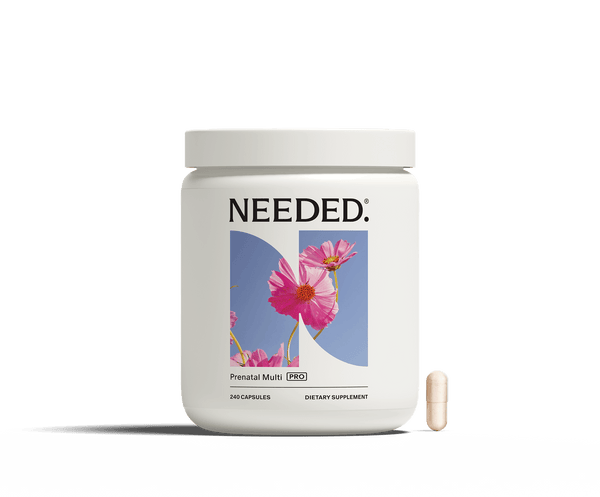
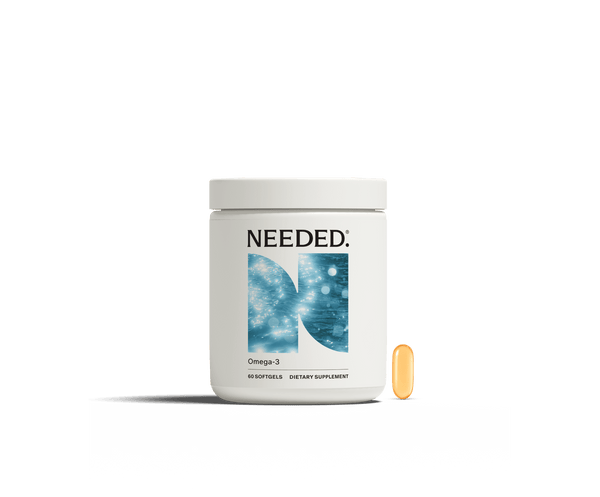
A comprehensive Prenatal Multi with Omega-3 can help fill nutrient gaps that aren’t met by food alone. Supplementing your diet with additional magnesium, zinc and Omega-3 DHA can support your postpartum recovery as you adjust to your new addition.
4. You May Have Postpartum Vitamin Deficiencies to Address
Depending on a number of factors (health prior to pregnancy, family and personal medical history, etc.), you may have certain nutritional deficiencies. Adopting or continuing a comprehensive prenatal supplement routine can help address deficiencies.
Nutrient deficiencies can contribute to or exacerbate existing imbalances in hormones and autoimmune conditions. Low levels of iron, vitamins D & B12 and choline can make recovery feel like an uphill battle.
5. Regular Multivitamins and Most 'Postnatal Vitamins' Don’t Cover all Your Needs
You may also wonder if you should just switch back to a regular multivitamin or invest in a postnatal vitamin. But the reality is, many postnatal vitamins tend to be a marketing technique, and are not actually substantially different from prenatal formulations. The reality is, your needs during pregnancy and postpartum are far more alike than they are different, so choosing a comprehensive prenatal vitamin will help you meet your needs more optimally for both phases.
It’s important to choose a high-quality prenatal vitamin that meets all nutritional needs. However, taking both prenatal and postnatal vitamins together is not recommended, as it may lead to excessive intake of certain nutrients, such as iron and fat-soluble vitamins, which can be harmful in high doses.
Nutritional Demands During the Postpartum Period
Pregnancy, postpartum, and lactation are the most nutritionally demanding periods of a woman’s life. Yet, in the US, we haven’t given this time period the attention and care it deserves.
Why Nutritional Needs Increase Postpartum
Pregnancy, postpartum, and lactation are some of the most nutritionally demanding periods of a woman’s life. Yet here in the US, we haven’t given this time the attention and care it deserves.
Why Nutritional Needs Increase Postpartum
In fact, a woman’s energy and nutrient requirements are higher in the days and weeks following labor and delivery than during pregnancy. This is because during your postpartum recovery, your body is:
- Replenishing energy and nutrients lost during labor, including calcium, vitamin B6, and folate
- Healing wounds and repairing connective tissue
- Restoring hormonal balance and skin elasticity
- Shrinking the uterus back to its normal size
- Supporting milk production if you’re nursing (if you are nursing, your baby is relying solely on your milk and nutrient stores)
If you couldn’t consistently take a high-quality prenatal during pregnancy, or if your prenatal didn’t offer a full range of nutrients, your body may have used up more of its stores than expected. This can contribute to symptoms of postpartum depletion, like fatigue. Taking a well-formulated prenatal—ideally before, during, and after pregnancy—can help support your recovery and energy levels.
Postpartum Nutrition and Supplementation for Breastfeeding Mothers
If you’re nursing, it’s even more vital that you replenish nutrients after birth. A breastfeeding mother's diet and supplementation can directly influence the concentration of certain nutrients in breast milk.
Key nutrients critical for both the mother and baby in a nursing dyad include:
- B-vitamins (energy metabolism)
-
Vitamin A (immune function and skin health)
-
Vitamin D (bone and immune support)
-
Omega-3 fatty acids (brain development)
-
Choline (cognitive development and nervous system support)
- Zinc, selenium, and iodine (cellular function and metabolism)
How to Support Your Body Postpartum
Great nutrition during the postpartum period is essential. Not only is it key that you get enough macronutrients (like protein) during this time, but your body also needs to replenish your micronutrients (like calcium, magnesium, and zinc). Postpartum recovery requires a broad range of nutrients to restore your body's balance, support tissue repair, and maintain energy levels. Great nutrition will also help you feel healthier and happier as a mom.
For postpartum nutrient support, continue to take a prenatal vitamin (for at least 6 months after giving birth) and eat a diet that prioritizes whole foods. This will help replenish and support your increased nutrient needs and support a healthy milk supply. Focusing on high-quality supplements and nutrient-dense foods postpartum will also help your body recover more quickly.
Key Nutrients Essential for Postpartum Recovery
1. B Vitamins – Support energy metabolism and brain health.
Food sources: Eggs, leafy greens, whole grains, legumes, and poultry.
2. Vitamin D – Strengthens bones and immunity.
Food sources: Fatty fish (like salmon), dairy, eggs
3. Choline – Supports metabolism, brain development, and mood.
Food sources: Eggs (especially the yolk), chicken liver, and soy products
4. Omega-3 fatty acids – Enhance mood and support infant brain health.
Food sources: Fatty fish, chia seeds, flaxseeds, and walnuts
5. Collagen – Aids in tissue healing and skin elasticity, can be a good source of protein
Food sources: Bone broth, chicken skin, fish, and connective tissue-rich cuts of meat
6. Probiotics – Improves digestive health and infant microbiome.
Food sources: Fermented foods like yogurt, kefir, sauerkraut, kimchi, and miso
7. Iron – Helps replenish blood loss from childbirth and prevent anemia.
Food sources: Red meat, poultry, beans, lentils, tofu, spinach
Dietary Recommendations for Postpartum Mothers
Focus on eating foods rich in protein, fiber, healthy fat, iron, B12, collagen, glycine, omega-3 fatty acids, iodine, and choline. Prioritize:
- Lean proteins, found in chicken, fish, and eggs
- Healthy fats, found in avocado, olive oil, fatty fish
- Iron-rich foods, like red meat, leafy greens, organ meats
- Calcium and magnesium sources like dairy, seeds, tofu
- Omega-3-rich foods like salmon and sardines
- Fiber and complex carbs like fruits, veggies, and legumes
Whole foods, including lots of leafy greens, fiber-rich fruits, and a few good sources of protein, are essential to your body's recovery. You can also add “warming” spices that support digestion, like turmeric, cinnamon, and ginger.
Since our modern lives as moms can be so busy, find healthy meal shortcuts. Meal delivery services or Meal Trains (where communities come together to organize meals for each other) can help. The same goes for frozen veggies, premade broth, slow cooker, sheet pan, or pressure cooker meals. Do what's best for you and your needs.
The Role of Supplements in Postpartum Health
Even with the best intentions (and meal prep that’s on point!), getting everything you need postpartum from food alone can be challenging. While whole foods should absolutely be your foundation, high-quality supplements help fill the gaps—especially when appetite, digestion, or life’s general ups and downs make it hard to hit your nutrient targets daily.
Taking supplements postpartum can prevent nutrient deficiencies after birth. Some research indicates that omega-3s could support postpartum mental health.
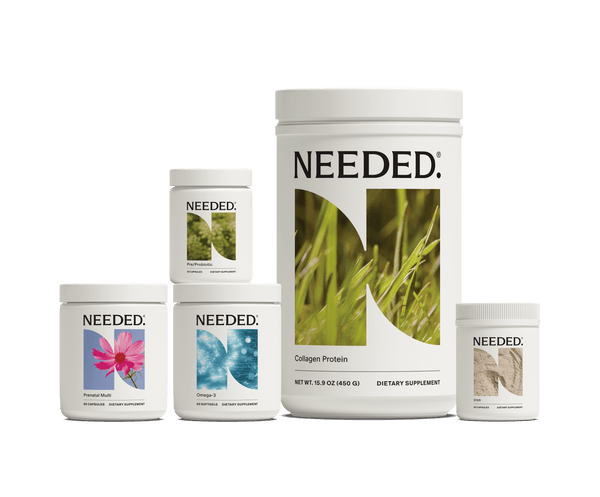
Consider Needed’s Fourth Trimester Plan, which takes the guesswork out of knowing what you need to support your nutrient stores after birth.
Postpartum Vitamins and Supplements FAQ
How long should I continue taking prenatal vitamins postpartum?
Continue taking prenatal or postnatal vitamins for at least six months to a year after birth or until you stop breastfeeding, whichever comes first. This helps replenish essential nutrients depleted during pregnancy, birth, and lactation, supporting both your recovery and your baby’s development.
What’s the difference between prenatal and postnatal vitamins?
Prenatal vitamins are designed to support your body during pregnancy with nutrients that help both you and your growing baby. Postnatal vitamins, on the other hand, are tailored to support recovery, energy, and (if applicable) breastfeeding after birth. That said, most high-quality prenatal vitamins are still a great choice for postpartum moms, especially in those early months when your body is healing and your nutrient needs remain high.
Can I get all the nutrients I need from food alone postpartum?
It’s possible, but it may be difficult based on your individual recovery journey and other factors like sleep deprivation and the overall demands of motherhood. Supplementing when you are postpartum can be a powerful safety net for your body.
What are the risks of stopping supplementation too soon?
If you're feeling good, it can be tempting to stop postpartum supplementation, but doing so too early could still lead to postpartum depletion in the form of anemia, mood struggles, thyroid and hormone imbalances, and other nutrient gaps.
What supplements are safe to take while breastfeeding?
It depends on the supplement, but in general, most prenatal vitamins, omega-3s, vitamin D supplements, collagen, and probiotics are all wonderful supplements to take when you're breastfeeding.
Should I test my nutrient levels postpartum?
It's easy to ignore symptoms like fatigue, but if you consistently feel tired, depleted, or unwell, you may want to check your nutrient levels. Ask your doctor or midwife to test your iron levels and vitamin D and run a full thyroid panel, among other tests.
Can I over-supplement postpartum?
Yes, it's definitely possible to over-supplement postpartum, which is why it's so important to take high-quality, third-party-tested supplements. More isn't always better.
What can I do if I struggle to remember to take supplements?
We suggest habit stacking! Link taking your supplements to something else you do every day, like brushing your teeth or doing your morning stretches. You can also place them into a fun pill organizer to ensure you take the appropriate daily dose.


