










There's a statistic that should stop every policymaker, physician, and parent in their tracks: 95% of mothers in the United States are nutritionally depleted.
Perinatal nutrition is complex, influenced by diet, access to food and care, social and economic conditions, and more. While no single factor explains this pattern of depletion, the standards set for pregnant and breastfeeding women are a key piece of the puzzle, and are long overdue for an update.
A Bare Minimum Built for a Different Era
Many people assume that the nutrition recommendations guiding prenatal vitamins and doctors' advice represent the cutting edge of science. But this isn’t always the case. The Recommended Dietary Allowance system dates back to the early 1940s, when the National Research Council first published RDAs in the context of wartime nutrition planning to guide recommended intakes of nutrients for provision to the military and for the general population. This system is now called the Dietary Reference Intake (DRI) and is an extension of the early RDA system. Today, the RDAs are one type of value within the DRI system. They represent the intake level sufficient to meet the needs of nearly all healthy individuals.
That doesn't mean every nutrient value has been frozen since 1941–the framework used to set these values and the nutrient recommendations themselves have been revised over time as science has advanced and population characteristics have shifted.. But the evidence base informing modern reference values still does not consistently center women in pregnancy and breastfeeding.
In fact, a 2021 analysis published in Science Advances examined 704 studies used to inform U.S. and Canadian micronutrient reference values and found that pregnant or lactating participants were included in only 17% of them, representing just 5% of nearly one million participants. Men accounted for 71% of participants. The authors concluded that the basic science informing these nutrient reference values may not be fully generalizable to the populations the standards are meant to serve. In other words: the recommendations guiding prenatal care were built largely on research that excluded the populations they're supposed to help.
These standards were originally designed to prevent acute deficiency diseases, like scurvy and rickets, not to support the extraordinary physiological demands of modern motherhood. In 2026, over 350 studies on pregnancy and breastfeeding nutrition that make one thing clear to us – women need more.
Where Women Still Fall Through the Cracks
Many prenatal vitamins are guided by recommended intakes, like RDAs, that were not built based on comprehensive research from pregnant and breastfeeding populations. Since dietary intake of key nutrients can be low during pregnancy for a variety of reasons, like food aversions and food access, supplements can help meet those needs. But when the standards that guide many prenatal supplements have not been systematically re-evaluated, they can still fall short of what pregnancy and modern motherhood demand.
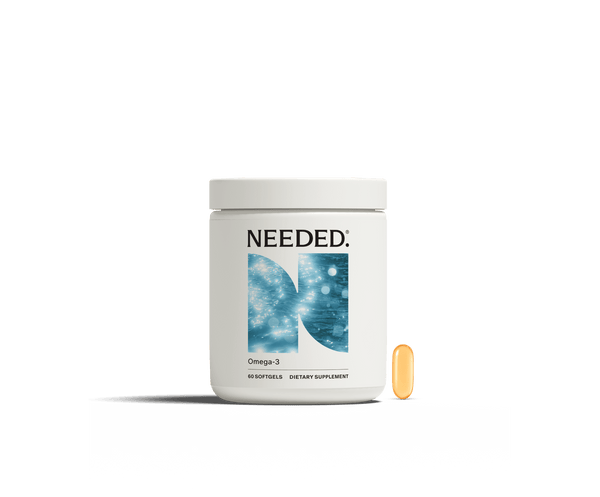
The case of Omega-3 fatty acids help illustrate this gap. U.S. dietary reference intakes for adults apply to ALA, but there are no specific DRI intake recommendations for EPA or DHA, two fatty acids with substantial evidence for supporting fetal neurodevelopment, healthy full-term pregnancy, and maternal mood.* The absence of a standard doesn’t mean that these nutrients don't matter. It's simply that the recommendations haven't caught up.
The Ripple Effect We've Normalized
Across the maternal health continuum, from preconception through postpartum, nutrition has historically received too little focus in policy, research, and care. Yet perinatal nutrition plays a key role in supporting maternal and child health outcomes. For mothers, the short term impact of depletion can show up in how mothers feel, function, and recover, and because of how common it is, their experiences aren’t always taken seriously. Feelings of depletion aren't inevitable rites of passage to becoming a mother. They can be signals that a woman's body has given more than it received. Not every difficult postpartum symptom is purely nutritional, and women deserve careful clinical evaluation rather than oversimplification. But dismissing these experiences as "just part of being a mom" means potential contributing factors go unexplored.
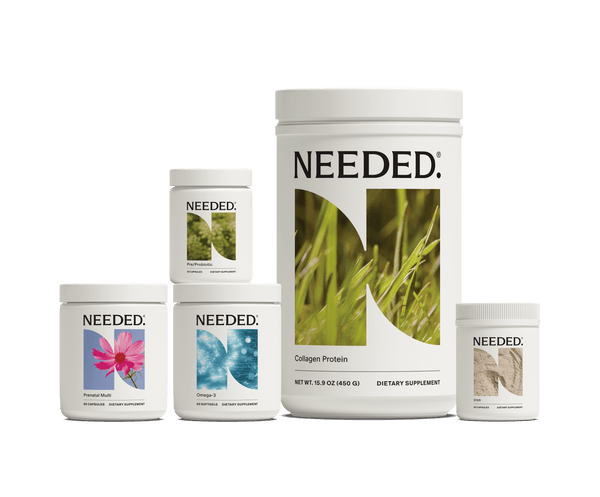
Take postpartum fatigue as one example. A 2022 systematic review and meta-analysis found that postpartum anemia was linked to poorer maternal health-related quality of life, and that iron treatment improved fatigue scores in randomized trials. The fatigue is real, measurable, and in many cases can be addressed or at the very least minimized. The question is whether we're asking the right questions, or whether we've normalized depletion to the point that we've stopped looking. (Note: Needed designed its iron supplement separately from its Prenatal Multi formulas to support absorption, as certain minerals in the Prenatal Multi may inhibit iron absorption. Needed’s 13.5 mg capsules also allow for personalized dosing based on individual needs.)
When women are left depleted, it can show up in so many other aspects of her life, from work, to relationships, and more.Nutrition certainly isn't the only variable, but it is one of the few within our collective power to meaningfully change.
Why Nutrition Doesn't Stop at Birth
One of the most persistent blind spots in women's health is the assumption that nutrition matters intensely in pregnancy and then becomes secondary once the baby arrives. Physiologically, that's hard to defend.
During breastfeeding, maternal intake of certain key nutrients continues to shape what reaches the infant through breast milk. Because some nutrients are prioritized toward the breastfed baby, women can be left further depleted if they aren't nourishing adequately for two. What supports the mother continues to shape the baby's nutritional environment after birth.
This is also why modern anti-depletion nutrition has to span the full arc of a woman's reproductive life. This is what Needed thinks of as the MotherspanTM. From preconception through pregnancy, postpartum recovery, and into perimenopause, women's nutritional needs are specific and significant. Women, particularly pregnant and breastfeeding women, were consistently underrepresented in the research underlying the standards that define what is recommended for adequacy -- this leaves women underserved by the standards meant to serve them.
What Radically Better Standards Could Look Like
Dr. Lydia Roberts, who chaired the original committee that established the first national nutrition standards in 1941 acknowledged the importance of keeping standards up to date. She stated, “As fast as more knowledge is available on requirements for any nutrient, it should be reflected in the allowances.”
Nutrition science has advanced since the current standards were last comprehensively reviewed for pregnancy and lactation. A growing body of research has deepened our understanding of how nutrient needs change across the perinatal stages. Due to limitations in processes and resources, this evidence has accumulated faster than the standards have been updated to reflect it.
That's why we're calling on Congress and key federal agencies to prioritize and fund a dedicated review of nutrient standards for pregnancy and lactation, as a formal first step toward lasting, evidence-based change. Because when these standards are updated, the benefits extend far beyond supplements. They flow into clinical guidance, federal nutrition programs, food policy, and public health recommendations. It’s a rising tide that can improve how women are supported across the full arc of pregnancy, postpartum, and beyond.
Women deserve standards informed by modern, population-specific and evidence-based research reflecting the diversity of women and the realities of motherhood today. When women are better nourished from preconception through postpartum, it changes what recovery can feel like, what breastfeeding can provide, and what women come to accept as "normal."
This kind of systemic change requires public pressure. Congress, USDA, and the U.S. Department of Health and Human Services (HHS) have the ability to modernize these standards, but they need to hear that this matters.
→ Sign the petition at thisisneeded.com/nyt to demand nutrition standards actually built for women.
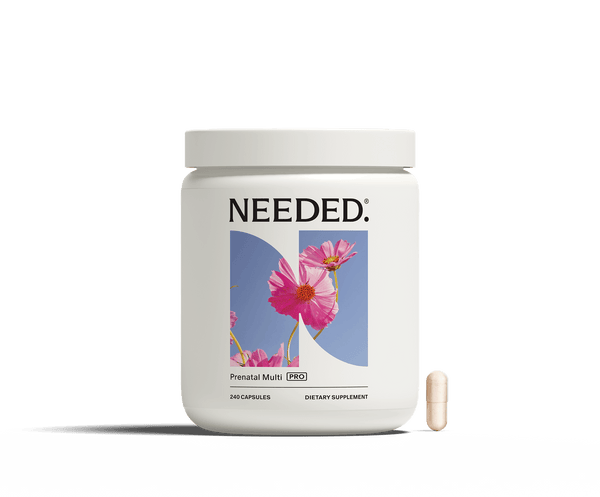
→ Explore our Prenatal Multivitamins formulated on modern, population-specific research to meet the real demands of motherhood, not the bare minimum of 1941.*
*These statements have not been evaluated by the Food and Drug Administration. This product is not intended to diagnose, treat, cure or prevent any disease.


