










What Is Postpartum Sleep Deprivation?
Postpartum sleep deprivation is more than just feeling “tired” — it’s a sustained lack of restorative sleep that affects both the body and mind during the weeks and months after giving birth.
For many new parents, this can be one of the most overwhelming parts of postpartum recovery.
Unlike a single sleepless night here or there, you often have repeated disruptions that prevent the brain and body from fully resetting. Even when you technically “sleep,” fragmented rest can leave you feeling foggy, emotionally raw, and physically depleted.
New moms frequently report symptoms such as mood swings, heightened anxiety, trouble concentrating, and emotional sensitivity. While this experience is incredibly common and often temporary, it can influence maternal mental health, emotional regulation, and overall well-being if left unaddressed.
Understanding what’s happening beneath the surface helps remove shame and replace it with compassion. You’re not failing — your body is responding to an intense biological and emotional transition.
Why Does Sleep Become So Difficult After Birth?
It goes without saying that childbirth is a huge change and not just because there’s a new person in the mix. Your sleep habits can change dramatically after birth for both biological and practical reasons:
- Newborns wake frequently to feed, regulate temperature, and seek comfort.
- After birth, estrogen and progesterone levels drop sharply. These hormones play a key role in sleep regulation, mood stability, and circadian rhythm balance. When they fluctuate, it can make it harder to fall asleep, stay asleep, or reach deep, restorative rest.
- Additionally, you’re more alert, and this protective “on-call” mode helps you respond to your baby, but it also keeps your nervous system activated long after your head hits the pillow. Emotional vigilance makes true rest harder to access.
The above combination explains why sleep is difficult after birth, even when your baby is sleeping. It’s no wonder that around 20% of women have postpartum insomnia and over 60% report poor sleep quality in the first 6 months postpartum.
The Connection Between Sleep Loss and Postpartum Depression
There’s a well-studied link between sleep deprivation and postpartum depression. Chronic sleep deprivation directly affects the brain’s ability to regulate emotions. Constant interruptions place a considerable strain on the systems responsible for mood balance, stress tolerance, and emotional resilience.
Over time, loss of sleep can even intensify sadness, irritability, anxiety, or emotional numbness. Many women notice that their mood worsens as exhaustion accumulates, even with adequate emotional support.
Understanding the postpartum depression link to sleep helps remove self-blame. You’re not weak; you’re dealing with real physiological issues. The good news is that addressing sleep often improves emotional stability more quickly than expected.
How Hormones and Stress Interact After Birth
After delivery, the combination of hormonal shifts and emotional stress can take a considerable toll on your wellness. There’s a drop in progesterone and estrogen levels, and cortisol, the stress hormone, rises to increase alertness and emotional reactivity. This combination can make even small stressors feel overwhelming.
Cortisol levels naturally drop over time, but elevated levels can strain your nervous system and are closely linked to an increased risk of postpartum depression.
The Role of Cortisol, Oxytocin, and Serotonin
Cortisol isn’t the only hormone to be aware of. Chronic sleep deprivation can also deplete oxytocin levels, a hormone some research suggests is essential for bonding and emotional connection. Meanwhile, disrupted sleep interferes with serotonin, which supports mood stability and emotional resilience.
Restoring sleep helps rebalance these systems. Even modest improvements can support healthier cortisol patterns, enhance bonding, and stabilize mood by improving serotonin regulation.
Why Sleep Quality Matters Just as Much as Sleep Quantity
It’s not just about how many hours you sleep — it’s how restorative those hours are. Fragmented sleep prevents the brain from reaching deep REM stages that support emotional processing and memory consolidation.
Even short but uninterrupted sleep stretches can improve mental clarity. Improving sleep quality, rather than chasing perfect quantity, is often the most realistic and effective path to recovery.
Emotional and Cognitive Impacts of Postpartum Sleep Deprivation
Chronic sleep deprivation reshapes how you think, feel, and process. Inconsistent rest can deplete your patience and weaken your ability to regulate emotions and make decisions.
Heightened Anxiety and Irritability
Sleep loss increases cortisol and adrenaline, making the nervous system more reactive. You may feel more irritable, have racing thoughts or constant worry. Many describe feeling overstimulated or emotionally raw, especially in the evenings.
Brain Fog, Focus, and Decision Fatigue
“Mom brain” is real, and poor sleep can make it worse. In fact, in a 2020 study, when otherwise healthy young adults were subjected to a few nights of partial sleep deprivation, they became more impulsive and less likely to gather more information before making a decision. And that was just after five nights–no wonder new mothers are exhausted, and have a sense of being “on edge.”
These reactions are not character flaws — they’re neurological responses to exhaustion.
How Sleep Affects Bonding and Emotional Regulation
Exhaustion can dull emotional responsiveness, making connections feel harder even when love is strong. With improved restfulness, you may find it easier to bond and feel emotional safety for both you and your baby.
Physical Effects of Postpartum Sleep Deprivation
Sleep also plays a critical role in physical recovery after childbirth, and the physical effects of sleep deprivation can linger much longer than before you had a baby.
The physical effects of sleep deprivation postpartum often show up as lingering soreness, frequent illness, or persistent fatigue that doesn’t resolve with short rest periods.
Slower Physical Recovery and Healing
Consistent, high-quality rest supports tissue repair and hormone regulation. Without it, muscles recover more slowly, wounds heal less efficiently, and overall resilience drops — contributing to prolonged postpartum recovery fatigue.
Weakened Immune Function and Increased Inflammation
Chronic sleep loss raises inflammatory markers and weakens immune defenses. This makes new mothers more susceptible to illness and may even prolong postpartum inflammation and discomfort.
The Energy–Mood Connection
Energy levels influence mood just as much as emotions influence energy. Without proper rest, nutrition, and hydration, you may find yourself with low motivation and resilience. Supporting the body with nourishment and rest helps restore both physical and emotional balance.
How to Manage the Effects of Postpartum Sleep Deprivation
You can’t totally eliminate sleep disruptions with a newborn — but you can reduce their impact with small, sustainable habits.
Practical Sleep Strategies for New Parents
Don’t be afraid of the “baby power nap.” Napping when possible, sharing nighttime responsibilities, and creating short “recovery windows” can help rest the nervous system. Even 20-30 minutes of intentional rest can restore mental clarity.
Support Systems That Make a Difference
Leaning on partners, friends, or family is not a weakness — it’s a survival strategy. Accepting help with meals, errands, or nighttime care can significantly improve postpartum sleep recovery.
Nutrition and Supplements That Support Rest and Recovery
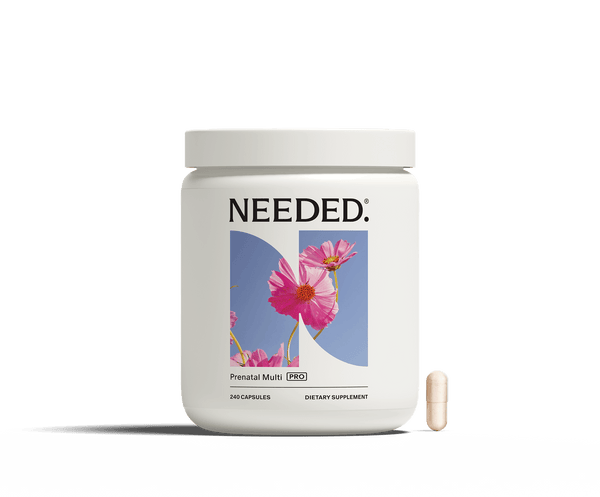
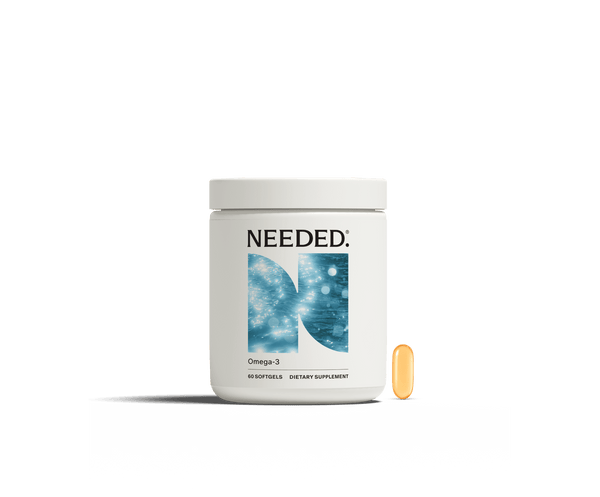
Balanced meals with protein, magnesium-rich foods, and omega-3s support energy and mood regulation. Hydration and regular meals stabilize blood sugar, helping prevent emotional crashes linked to fatigue. When you’re in this transition, getting all of your nutrients through food can be challenging, so a postpartum supplement can also help fill some nutritional gaps.
When to Seek Professional Help
Some exhaustion is common, but certain signs suggest it’s time to seek additional support. If sadness, anxiety, or emotional numbness persist beyond a few weeks or interfere with daily functioning, you may benefit from professional guidance and support.
Reach out if you experience persistent hopelessness, panic, intrusive thoughts, or inability to sleep even when given the opportunity. Support from a healthcare provider, therapist, or postpartum specialist can make recovery safer and faster. Remember: Asking for help isn’t a sign of failure; it’s the healthiest thing you can do for yourself and your baby.
Frequently Asked Questions About Postpartum Sleep Deprivation
How long does postpartum sleep deprivation last?
For many women, it improves within the first few months, but recovery varies depending on support, sleep quality, and individual health factors.
What are the symptoms of postpartum sleep deprivation?
Common symptoms include fatigue, mood swings, brain fog, irritability, anxiety, and emotional sensitivity.
Can sleep deprivation cause postpartum depression?
Yes. Ongoing sleep loss increases the risk of postpartum depression, especially when combined with hormonal shifts.
How do I know if it’s normal exhaustion or postpartum depression?
If symptoms feel unmanageable, persistent, or interfere with daily life, it’s important to speak with a healthcare professional.
How can I deal with postpartum sleep deprivation while breastfeeding?
Sharing nighttime care, optimizing feeding positions, and resting during the day can help reduce overall strain.
Can lack of sleep make postpartum anxiety worse?
Yes. Sleep deprivation heightens stress hormones, which can intensify anxiety symptoms.
How can partners help reduce postpartum sleep deprivation?
Partners can support nighttime care, protect rest time, and take on household responsibilities.
When should I talk to my doctor about trouble sleeping after birth?
If sleep issues persist beyond a few weeks or affect your mental health, professional guidance is recommended.
Summary and Key Takeaways
Sleep loss is one of the most common and widely accepted parts of postnatal depletion. But while the effects can be deeply impactful, it’s mostly temporary and highly treatable.
Prioritizing rest, leaning on support systems, and recognizing when professional help is needed can make recovery feel more manageable. Healing doesn’t happen overnight, but with compassion and care, it does happen.
If you’re navigating sleep loss, don’t be afraid to ask for help and lean on all of your available support systems. to balance, clarity, and confidence — one step, and one night, at a time.


