








What Are Postpartum Supplements?
Postpartum supplements are specifically designed vitamins, minerals and nutrient-rich formulations that support your body’s recovery after childbirth. While prenatal vitamins focus on supporting the growing baby and preparing your body for birth, postpartum supplements zero in on helping you recover, replenish, and thrive in that fourth trimester and beyond.
These supplements for postpartum are meant to help rebuild nutrient stores, balance hormones, and support breastfeeding. Think of them as a bridge between pregnancy and normal wellness—tailored for post-birth recovery and wellbeing.
The best postpartum supplements address core needs such as energy, mood, hormone support, tissue repair, and nutritional gaps. Below, we outline the benefits of postpartum supplements and what you should look for as part of your postnatal recovery needs.
What Are Postpartum Supplements
Even when pregnancy is behind you, your body is still doing a whole lot of heavy lifting. The postpartum period, especially if you’re breastfeeding, means increased nutrient demands, shifting hormones, fatigue and healing. And it’s not uncommon to deal with postnatal depletion because you’re busy taking care of your new baby and adjusting to a new normal.
We don’t always discuss this critical phase, so many new mothers find that they aren’t fully prepared. That’s why postnatal supplements may still be a necessary and essential part of your daily wellness routine.
The Benefits
Most of your nutrition should come from a balanced diet of whole foods that support your recovery and overall health.
However, while eating a balanced diet is foundational, supplements for new moms can fill nutrient gaps, support your mood and energy, and promote recovery in ways diet alone may not.
Whether you’re dealing with hair shedding and low iron, or feeling like your hormones are doing cartwheels, postpartum supplements can help steady your path.
Here are some of the key benefits of taking supplements for postpartum recovery:
- Rebuilding nutrient stores after pregnancy
- Supporting energy and mood in the fourth trimester
- Promoting healing and tissue repair
- Supporting breast milk quality and supply
By understanding postpartum supplements in this way, you shift from “just surviving” to “recovering and thriving,” caring for your body with the same seriousness you cared for your baby.
Key Nutrients to Focus On
Certain nutrients become especially important after birth. Let’s discuss the essential nutrients to keep on your radar as you’re looking at a postnatal supplement.
Incorporating these important postpartum nutrients through high-quality supplements (or diet + supplement combination) ensures you’re covering your bases. While a good multivitamin helps, knowing which nutrients matter most gives you the power to choose smarter.
Iron
Postpartum anemia (PPA) is much more common than we think–affecting anywhere between 50-80% of new mothers around the world. The primary cause of PPA is iron deficiency, and many women find that their iron needs during and after pregnancy require supplementation. Iron supports recovery from blood loss and helps combat fatigue.
B Vitamins
B vitamins, including B6, B12, and folate (B9), all play an essential role in our health. They can help manage postpartum inflammation (often triggered by changes in your immune system) and energy production, and they are critical in the synthesis of important mood-related hormones like serotonin, dopamine, and noradrenaline.
Vitamin D
Vitamin D regulates hundreds of genes and supports bone, muscle, immune, cardiovascular, and brain health. Because it’s found only in a handful of foods, we depend on sunlight for synthesis, and many women need supplements to maintain healthy levels.
After birth, Vitamin D continues to play a vital role in supporting a mother’s immunity, mood, bone strength, thyroid, and blood sugar balance, while also promoting a baby’s bone and tooth development. Pairing Vitamin D3 with Vitamin K2 can further enhance bone health benefits for both mother and baby.
Choline
Choline is as vital as folate for your baby’s growth and development, but many pregnant and postpartum women simply don’t get enough in their regular diet. This essential nutrient plays a role in multiple body functions, including metabolism and maintenance of your nervous system. Despite its importance, 92% of pregnant women do not get the recommended daily intake, and that may continue into postpartum.
Omega-3s (DHA/EPA)
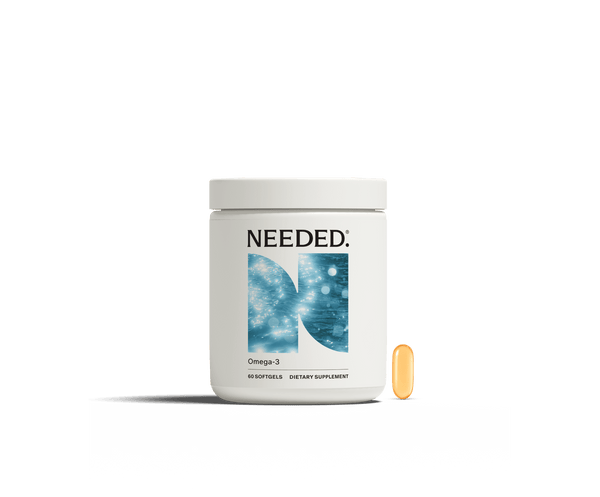
Researchers are still uncovering the many benefits of omega-3 fatty acids, particularly EPA (eicosapentaenoic acid) and DHA (docosahexaenoic acid). They help with mood, infant brain development (if you’re breastfeeding) and general cell health.
Additionally, evidence shows that prenatal and postnatal (if you’re breastfeeding) supplementation has numerous neurodevelopment benefits for your baby. While critical, Omega-3s are not naturally found in breast milk, so you should make it a point to add omega-3-rich foods to your daily diet, or consider a supplement.
Collagen
Collagen during postpartum can do more than help keep your skin firm and supple (though that is great!) – it can help combat postpartum shedding and support joint and bone health. It’s also essential for wound healing and tissue repair, especially relevant if you had tearing C-section or significant stretching.
All The Details About Postnatal Supplements and Vitamins
Now that we’ve covered the benefits of postpartum vitamins and which nutrients to look out for, let’s break down what you need to know about incorporating them into your postpartum care plan.
When Should I Start Postpartum Supplements?
Many experts recommend starting postpartum supplements right after birth to help with recovery and support breastfeeding. You can begin in the hospital or as soon as you’re back home—what’s key is consistency and doing so while nutrient demands are high. Starting early ensures you’re supporting your body when it’s most vulnerable: healing wounds, adjusting hormones, adapting to feeding your baby, and replenishing lost stores.
How Long Should I Take Postpartum Supplements?
How long to take postpartum vitamins depends on your individual recovery, whether you’re breastfeeding, and your overall health. Many experts recommend continuing for at least 6 to 12 months postpartum, especially if you’re breastfeeding. Once you wean, your nutrient demands may shift, but the body is still recovering—and hormone balance, bone health, and nutrient stores still matter. So duration of postnatal supplement use tends to span the first year (and sometimes longer) when you’re rebuilding and re-steadying.
Are Postpartum Supplements Safe?
Postpartum supplements are generally safe when used as directed, but it’s important to choose quality-tested formulas and speak to your healthcare provider if you have concerns. When weighing the risks and benefits of taking a postpartum supplement, keep these safety tips in mind:
- Look for third-party testing (such as NSF, USP, and Informed Choice) to ensure purity and accurate dosing.
- Avoid megadosing single nutrients unless your healthcare provider recommends it (more isn’t always better).
- If you have thyroid issues, iron overload, are on medications, or have allergies, your nutrient needs and safety profile may differ.
- If breastfeeding, always consider baby transfer and speak to your lactation consultant or OB-GYN before adding herbal supplements or high-dose nutrients.
With the support of your healthcare provider and keeping the above tips in mind, you can maximize benefits and minimize risks.
Can I Keep Taking My Prenatal?
Yes, you can keep taking your prenatal after birth, but you’ll want to check whether it meets your changing needs. There’s often overlap between prenatal and postpartum vitamins; both cover many of the basic nutrients (iron, folate/folic acid, vitamin D). But the difference between prenatal and postpartum supplements shows up in key places: for example, after birth you may need more choline and collagen-supporting nutrients, or different iron dosing (especially if your iron stores were depleted), and possibly different formulations of fats/supports for hormone and tissue repair.
If you’re breastfeeding, continuing a high-quality prenatal supplement is a smart move. So rather than just asking: “Can I take prenatal postpartum?” You should also ask, “Should I switch or upgrade?” to reflect your new body’s priorities.
Needed’s Approach to Postpartum Support
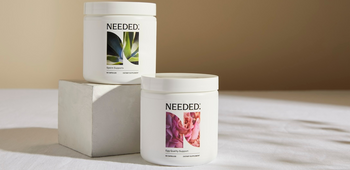
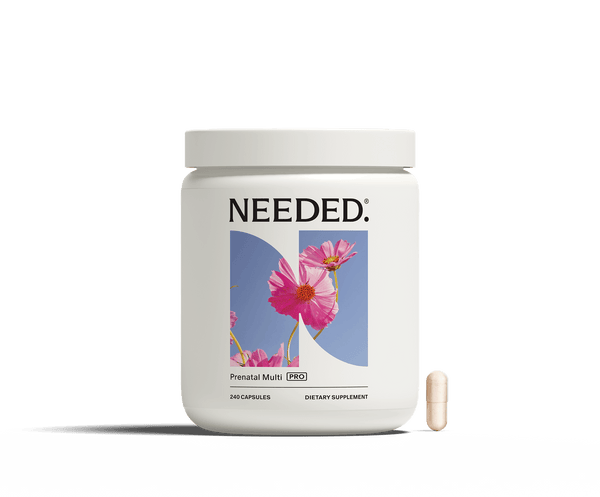
At Needed, we think of postpartum differently. We designed our prenatal formulation to meet all your nutrient needs, from the early days of pregnancy through the postpartum phase.
Built with practitioner input (OB/GYNs, dietitians, lactation consultants), it focuses on targeted nutrients (choline, collagen-supporting amino acids, bioavailable iron, DHA/EPA) and is third-party tested for purity. We also listen to real new moms: our community feedback helps us refine dosage, flavour, format, and dosing schedule.
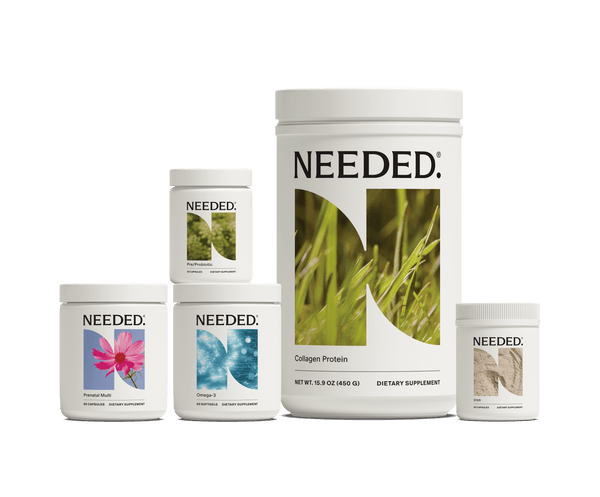
If you’re searching for Needed postpartum supplements or vitamins for new moms, know we’re positioned to be more than just another multivitamin: we’re your postpartum partner. Whether you’re recovering from birth, adjusting to breastfeeding or rebuilding your energy, our supplements are structured to support you where you are—not where you were.
Postpartum Supplements FAQs
How long should I take postpartum supplements for?
Typically, at least 6–12 months, especially if breastfeeding and rebuilding nutrient stores, though individual needs vary.
Can I use prenatal vitamins instead of postpartum ones?
Yes, you can, but some prenatal vitamins on the market may not address post-birth priorities like tissue repair, choline, certain fatty acids, or hormone balance support. If you’re currently taking a Needed prenatal, you may not need to switch at all! However, consult with your healthcare provider to be sure.
Do I need supplements if I eat a healthy diet?
A nutrient-rich diet is foundational—but postpartum life (sleep disruption, breastfeeding demands, hormonal shifts, healing) increases needs. Supplements serve as a safety net and an auxiliary source of nutrition.
Are postpartum vitamins safe while breastfeeding?
For most healthy women, yes—but choose quality formulas, avoid megadoses, avoid untested herbal claims and always check with your healthcare provider or lactation consultant.
Can postpartum supplements help with hair loss or fatigue?
They can support some of the underlying factors to hair shedding or fatigue (iron, B vitamins, vitamin D, omega-3s), but they’re not instant “fixes.” Managing sleep, stress, diet and hormonal health are key too. And remember, some postpartum shedding is 100% normal, but if you’re experiencing excessive shedding, seek professional advice.


