




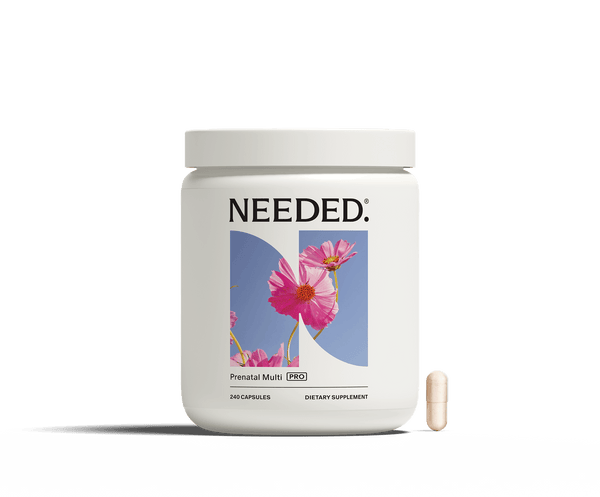





Is It Good to Take a Multivitamin Every Day During Pregnancy?
Experts agree that a nutrient-dense diet should be the primary source of vitamins and minerals. But when you’re pregnant, your body requires higher levels of several nutrients to support fetal development, placenta formation, and maternal health. These include folic acid, choline, vitamin D and a few others that you may find challenging to get from diet alone.
That’s why healthcare providers typically recommend taking a daily prenatal vitamin. While general multivitamins may not be necessary for the average healthy adult, pregnancy is one of the times when daily supplementation is widely supported by medical research.
So, do you need a daily prenatal multivitamin? Yes, and we’re going to explain why and what you should look for when choosing a prenatal supplement.
Do Prenatal Vitamins Actually Work?
Yes, but their effectiveness depends on several factors–some of which are outside of your control.
Prenatal vitamins don’t guarantee a complication-free pregnancy, but research consistently shows they can significantly improve nutrient levels and reduce certain health risks.
Benefits of Taking a Prenatal Vitamin Daily
Studies have found strong links between prenatal vitamin use and improved pregnancy outcomes, especially when taken before conception and during early pregnancy.
Prenatal vitamins help:
- Fill nutritional gaps that are difficult to meet through food alone
- Support fetal brain, spinal cord, and organ development
- Reduce the risk of certain birth defects
- Help maintain maternal energy, immune health, and blood production
For many wellness-minded moms-to-be balancing work, relationships, and busy lifestyles, maintaining perfectly balanced nutrition every day is challenging. Prenatal vitamins function as a nutritional safety net–not a replacement for healthy eating and hydration.
Do Prenatal Vitamins Prevent Birth Defects?
One of the most well-supported benefits of prenatal care is adequate folate intake. Folate and folic acid help prevent neural tube defects, which affect the baby’s brain and spinal cord. At Needed, we recommend folate supplementation as opposed to folic acid, as it’s more bioavailable.
Prenatal vitamins also provide iron, which helps prevent maternal anemia and supports oxygen delivery to your baby. DHA, iodine, and choline contribute to brain development and cognitive function.
The Difference Between Multivitamins and Prenatals
Not all multivitamins are created equal. Experts formulate pregnancy-specific multivitamins to provide nutrients that pregnant women often lack while limiting ingredients that may be harmful at higher doses.
Are Pregnancy Multivitamins Worth It?
Prenatal vitamins are usually worth it because they:
- Contain higher levels of folic acid and iron to meet the needs of the growing fetus and the mother-to-be
- Include pregnancy-specific nutrients like choline and DHA
- Limit excessive levels of vitamin A, which can be harmful during pregnancy
Standard women’s multivitamins don’t account for these unique needs, so most providers recommend a specific prenatal multivitamin.
How Prenatal Vitamins Support Fetal Development
Pregnancy creates a unique nutritional partnership between you and your baby. Prenatal vitamins help support several key areas of development.
Brain and Nervous System Development
Ingredients like folate and DHA are critical for fetal cognitive development. Folic acid is essential for early fetal development and helps prevent neural tube defects.
- Folic acid supports early neural tube formation
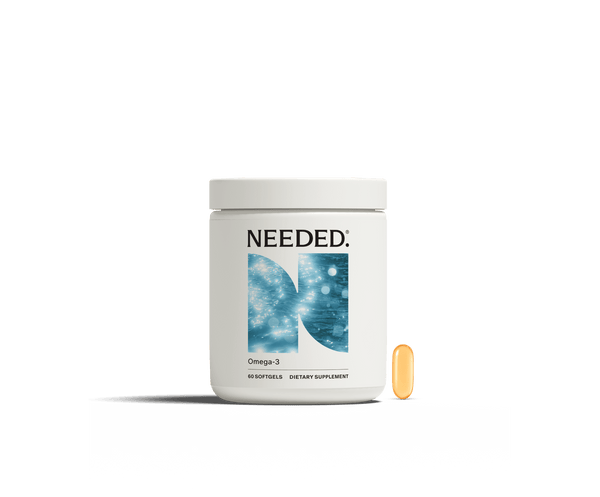
- DHA is an omega-3 fatty acid that supports fetal brain and eye development
- Studies have found that prenatal choline is associated with better cognitive performance in early childhood
Blood and Oxygen Supply
During pregnancy, blood volume increases by 30% to 50%, and your iron needs shoot up as a result.
- Iron supports increased blood volume and prevents anemia
- Vitamin B12 is a critical factor in red blood cell production
Bone and Immune Support
Vitamin D and calcium are critical for your baby’s developing bones and teeth–the fat-soluble vitamin helps calcium absorption.
- Calcium and vitamin D support bone development
- Vitamin D can also give your pregnancy immune system a helping hand
- Iodine supports thyroid function and metabolic regulation
Signs You May Still Be Deficient in Pregnancy Nutrients
Even with daily supplementation, some people may require adjustments. Signs of nutrient deficiencies during pregnancy may include:
- Persistent fatigue
- Hair thinning or brittle nails
- Frequent illness or feeling unwell
- Muscle weakness
- Unusual cravings (including ice, which could be a sign of an iron deficiency)
These symptoms don’t always indicate a deficiency, but if you are consistently feeling out of sorts, you should speak with your provider.
Are Multivitamins Necessary During Pregnancy If You Eat Healthy?
Health-conscious mothers-to-be who prioritize whole-food nutrition may question whether they need a prenatal vitamin.
While balanced eating is essential, research shows that diet alone often falls short of pregnancy nutrient requirements. Factors like nausea, food aversions, busy schedules, and soil nutrient depletion can make consistent nutrient intake difficult.
Prenatal vitamins help ensure your baby receives critical nutrients even on days when your appetite or food choices fluctuate.
Is It Safe to Take Prenatal Vitamins Long Term?
In most cases, yes– prenatal vitamins are safe throughout pregnancy and often recommended during breastfeeding as well.
However, taking multiple supplements simultaneously without medical guidance can lead to excessive nutrient levels. For example, too much vitamin A or iron can be harmful.
Always review your supplement routine with your provider, especially if you’re taking additional vitamins or eating fortified foods.
What Happens If You Stop Taking Prenatal Vitamins During Pregnancy?
It’s ok to occasionally miss your daily prenatal due to forgetfulness or a busy schedule (it happens to everyone!), but consistently choosing not take one may mean you baby is missing out on vital nutrients.
The increased risk of nutrient deficiencies may impact maternal health and fetal development.
Consistency is key because prenatal vitamins work best when taken daily, allowing nutrients to accumulate and support ongoing growth.
FAQ
Is my prenatal vitamin really helping?
Most experts agree that a daily multivitamin helps by raising or maintaining nutrient levels needed for fetal development and maternal health, especially folic acid and iron. You may not “feel” it working, but it’s providing important nutrients that help reduce certain fetal risks.
Do prenatal vitamins actually work?
Yes. Prenatal vitamins are evidence-based for supporting nutrient intake during pregnancy, and folic acid supplementation, in particular, is strongly linked to reducing neural tube defects when taken before conception and in early pregnancy.
Can I keep taking my regular multivitamin during pregnancy, or should I switch to a prenatal?
A prenatal is usually better than a standard multivitamin because it’s formulated for pregnancy needs and avoids potentially risky excessive levels of other nutrients, like preformed vitamin A. You should not take both a multivitamin and a prenatal at the same time for the same reason.
Are multivitamins necessary during pregnancy if I eat a healthy diet?
Often, yes—at least a prenatal vitamin. Even with a healthy whole-foods diet, it can be difficult to consistently meet pregnancy requirements for nutrients such as folate, iron, iodine, vitamin D, DHA, and choline.
Should I take a prenatal vitamin if I’m not pregnant yet?
Many providers recommend starting a prenatal 2-3 months before trying to conceive because early fetal development happens before many people realize they’re pregnant.
Can prenatal vitamins cause nausea or constipation?
Sometimes, yes. Some people have an adverse reaction to supplements that contain iron, including nausea or constipation. Taking your vitamin with food or switching to a different form can help. There are also low-iron formulations you may try.
The Bottom Line: Is My Prenatal Vitamin Really Helping?
Prenatal vitamins aren’t just another wellness trend; they help fill nutritional gaps, reduce certain health risks, and support critical stages of fetal development.
So if you’re consistently taking a high-quality prenatal multivitamin, there’s a good chance it’s working to ensure both you and your baby get the extra minerals and nutrients you need– even if you don’t notice immediate effects.
That said, they work best alongside balanced nutrition, regular prenatal care, and personalized medical guidance.
Pregnancy is a time when your body is doing extraordinary work. Supporting it with evidence-based nutrition isn’t just beneficial– it’s one of the simplest ways to invest in both your health and your baby’s future.


