







What Anxiety Meds Are Safe During Pregnancy?
Anxiety during pregnancy is more common than many people realize; nearly 1 in 5 pregnant and postpartum women has an anxiety disorder.
If you have been managing your anxiety with medication and are now pregnant, or have even developed pregnancy anxiety, you may be wondering what anxiety meds are safe during pregnancy.
Many expecting parents worry about how medication might affect their baby, yet untreated anxiety can also carry real risks. In general, certain antidepressants like SSRIs (Selective Serotonin Reuptake Inhibitors) and SNRIs (Serotonin-Norepinephrine Reuptake Inhibitors) may be considered safe for use during pregnancy under medical supervision. In some cases and under the careful guidance of your healthcare provider, there are some pregnancy-safe anxiety medications available.
Anxiety During Pregnancy
Hormonal changes, physical discomfort, shifting identity, past pregnancy experiences, and concerns about your baby’s health can all contribute to heightened worry and increase your anxiety levels.
For some, it’s mild and temporary. For others, it becomes persistent and overwhelming.
Common pregnancy anxiety symptoms include constant worry, racing thoughts, irritability, muscle tension, difficulty sleeping, or a sense of dread that’s hard to shake. These symptoms may come and go—or intensify as pregnancy progresses.
It’s important to understand that experiencing anxiety during pregnancy does not mean you’re failing or doing something wrong. Mental health during pregnancy is a spectrum; it’s valid and normal to need support.
While mild anxiety can often be managed with lifestyle changes or emotional support, ongoing or severe anxiety can impact both maternal and fetal health. Elevated stress hormones like cortisol may affect sleep, appetite, blood pressure, and overall well-being. That’s why managing anxiety is about balance and choosing the safest, most supportive path forward.
How Common Is Anxiety in Pregnancy?
Studies estimate that 15–25% of pregnant people experience clinically significant anxiety at some point during pregnancy. Symptoms may begin before conception, appear during the first trimester, or emerge later as physical and emotional demands increase.
If you’re struggling, know this: you are not alone, and support is available.
Why Treatment Matters for You and Your Baby
Untreated anxiety can have short- and long-term effects on both you and your baby, including:
- The potential to affect your baby’s physical growth and development, including slightly shorter birth length or lower birth weight.
- A possible link between perinatal anxiety and an increased risk of cognitive challenges, including difficulty with focus and attention, and higher rates of anxiety or behavioral concerns
- Greater sensitivity to stress and difficulty with emotional regulation.
Some studies also found associations between prenatal anxiety and certain long-term health conditions, including asthma, skin conditions like rashes and even an increased risk of heart-related conditions later in life.
Keep in mind that these aren't always a bygone conclusion of having anxiety while pregnant, but seeking treatment helps foster stability and safety, and so you feel supported so you can care for yourself and your baby with confidence.
Can You Take Anxiety Medication While Pregnant?
Certain anxiety medications can be safely used during pregnancy, but only under medical supervision. Healthcare providers carefully weigh the potential benefits of treatment against any risks to both the parent and the baby.
When considering anxiety medication while pregnant, doctors look at factors such as symptom severity, medication history, trimester, and how anxiety affects daily functioning. In many cases, the risks of untreated anxiety outweigh the potential risks of medication.
It’s also important to know that stopping medication suddenly can cause withdrawal symptoms or worsen anxiety, which may be more harmful than continuing treatment. Always consult your provider before making changes.
How Doctors Weigh the Risks and Benefits
The best way to deal with anxiety is to go to your healthcare provider. They are uniquely positioned to support you by taking a personalized approach, which takes into consideration:
- The severity and duration of anxiety
- Past response to medications
- How far along you are in your pregnancy
- Overall physical and mental health
OB-GYNs often collaborate with psychiatrists or maternal mental health specialists to ensure safe, coordinated care.
When Medication May Be Necessary
Medication may be recommended if anxiety significantly interferes with daily life, such as affecting sleep, appetite, concentration, or emotional bonding. If panic attacks, obsessive thoughts, or constant fear dominate your day, treatment can help restore balance.
Possible Risks and Side Effects to Know
All medications carry potential side effects, but most anxiety medications used in pregnancy are well studied and generally well tolerated when appropriately prescribed.
Mild and Short-Term Side Effects
Some people experience mild side effects when starting medication, including:
- Nausea
- Fatigue
- Headaches
- Mild digestive discomfort
These effects often improve within a few weeks as the body adjusts.
Rare but Serious Risks
Certain SSRIs have been associated with rare outcomes such as neonatal adaptation syndrome (temporary jitteriness or breathing changes after birth) or persistent pulmonary hypertension of the newborn (PPHN). These events are uncommon and typically short-lived when they do occur.
Importantly, these risks are considered low, and healthcare providers monitor closely when medication is used.
Why Untreated Anxiety Can Also Be Harmful
Untreated anxiety may increase cortisol levels, disrupt sleep, raise blood pressure, and contribute to preterm birth or postpartum mental health challenges. In many cases, managing anxiety safely protects both you and your baby.
Non-Medication Ways to Manage Anxiety During Pregnancy
Medication is not the only option. Many women benefit from combining emotional support, therapy, and lifestyle tools.
Therapy and Mindfulness Techniques
Evidence-based therapies such as cognitive behavioral therapy (CBT) and interpersonal therapy (IPT) are first-line treatments for anxiety during pregnancy. These approaches help reframe anxious thoughts and build coping skills.
Mindfulness practices like breathing exercises, guided meditation, journaling, prenatal yoga, and progressive muscle relaxation can also reduce stress and improve emotional regulation.
Lifestyle and Nutrition Support
Simple habits can make a meaningful difference in the severity and duration of your anxiety:
- Prioritize consistent sleep
- Stay hydrated
- Eat balanced meals with protein and complex carbohydrates
- Engage in gentle movement like walking or stretching
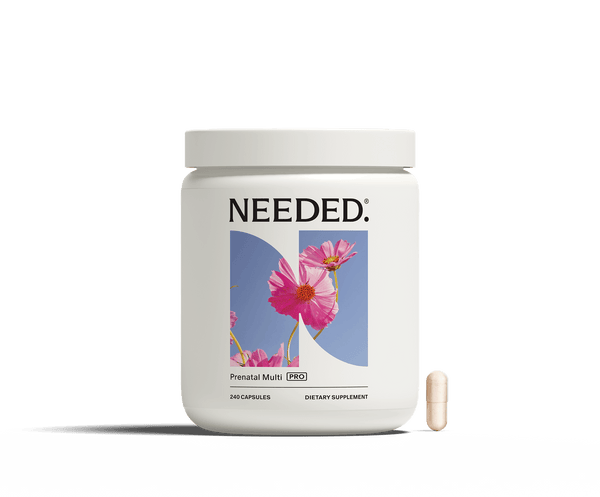
Some nutrients, such as omega-3s, magnesium, and B vitamins, may support mood regulation when approved by your provider. Many parents choose high-quality prenatal supplements like Needed’s Prenatal Multi and Omega-3 to support overall well-being.
Partner and Community Support
You don’t have to carry anxiety alone. Talking openly with your partner, loved ones, or a support group can ease emotional burden. Community connection and reassurance often play a powerful role in healing.
When to Talk to Your Healthcare Provider
Reach out to your OB-GYN, midwife, or mental health provider if anxiety interferes with daily life or if you’re taking, or considering stopping, medication. Seeking guidance early allows for safer, more personalized care.
Questions to Ask Before Starting or Continuing Medication
- What are the safest medications for my symptoms?
- Should I adjust my current prescription?
- What side effects should I watch for?
- How can I safely stop or change a medication if needed?
Frequently Asked Questions About Anxiety Meds in Pregnancy
What is the safest anxiety medication during pregnancy?
SSRIs like sertraline or citalopram are often considered first-line options, depending on individual circumstances. However, you should always consult with your doctor before & during treatment.
Can I stay on my antidepressant while pregnant?
Many people safely continue antidepressants during pregnancy under medical supervision.
Are benzodiazepines safe during pregnancy?
They are generally avoided, especially early in pregnancy, unless benefits clearly outweigh risks.
What happens if I stop my medication suddenly?
Sudden discontinuation can cause withdrawal symptoms or worsen anxiety. Always consult your provider first.
Are there natural alternatives to anxiety meds?
Therapy, mindfulness, exercise, and lifestyle support can be effective—sometimes alongside medication.
Summary and Key Takeaways
Navigating anxiety during pregnancy can feel overwhelming, but support is available. Many pregnancy-safe anxiety medications and alternatives exist, so treatment decisions are always personal and individualized. Whether through therapy, lifestyle support, or medication, caring for your mental health is a vital part of caring for your baby.
You deserve compassionate, evidence-based guidance. Seeking treatment for anxiety during pregnancy is not a failure; it’s an act of care. With the right support, stability and peace of mind are absolutely possible.
If you’re struggling, reach out. Pregnancy mental health support is always available—and you don’t have to do this alone.


