







Intro
Holiday celebrations are around the corner! Big meals and festive parties are fun, but they can also come with some digestive distress, especially when you're pregnant or postpartum.
Heartburn, bloating, and constipation are common. Plus, improper digestion can impair nutrient absorption, and the perinatal stages certainly aren't the time you want to mess with nutrient depletion.
Here are 7 tips to help naturally support your digestion while pregnant or postpartum so that you can get through the holiday season feeling comfortable and optimally nourished.
Key Takeaways
-
Digestive enzymes during pregnancy can be safe and beneficial when formulated specifically for the perinatal stage. — Modern food processing depletes naturally occurring enzymes from food, and pregnant women often cannot produce enough on their own. A pregnancy-safe digestive enzyme supplement, such as Needed's Digestive Enzymes, supports digestive comfort, gut health, and nutrient absorption — which in turn supports immunity, energy levels, and mental alertness during pregnancy and postpartum.
-
Digestive issues during pregnancy — including heartburn, bloating, and constipation — are driven by hormonal shifts that alter gut motility and microbiome composition. — Rising estrogen and progesterone change the gut microbiome and slow digestion, while stress hormones like cortisol push the body into a sympathetic state that diverts energy away from the digestive tract entirely. A recent study published in Nutrients (2021) found that probiotics significantly improve pregnancy-related nausea, vomiting, and constipation, making a prenatal pre/probiotic a clinically supported intervention.
-
Taking digestive enzymes while pregnant addresses a gap that adequate chewing alone cannot always fill. — Digestion begins in the mouth, where chewing activates the body's own enzyme production, but even thorough chewing often falls short of what the body requires during pregnancy. Supplementing with a pregnancy-safe digestive enzyme helps break down food more completely, alleviating indigestion and bloating while improving the nutrient absorption that is critical when depletion risk is highest.
-
Fiber intake during pregnancy may reduce the risk of insulin resistance, glucose intolerance, and preeclampsia according to published research. — Soluble fiber (found in oats, seeds, beans, and lentils) absorbs water in the intestine, while insoluble fiber (found in cruciferous vegetables, nuts, and whole grains) adds bulk to stool and helps relieve constipation. Pairing adequate fiber and hydration with a gut-supportive supplement like Needed's Digestive Enzymes creates a comprehensive approach to digestive comfort throughout pregnancy.
- Stress management is essential for digestive enzymes in pregnancy to work effectively, because cortisol actively suppresses digestive function. — When the body enters fight-or-flight mode, it redirects resources away from digestion and reproduction toward cardiovascular and visual functions, leading to slowed motility, bloating, and constipation. Pregnancy-safe interventions such as breathing exercises, gentle postmeal movement to support peristalsis, and Needed's Sleep and Relaxation Support — which combines magnesium, L-theanine for alpha-wave brain activity, L-glycine, and chamomile — can help restore the parasympathetic state the gut needs to function optimally.
Tip #1: Stay hydrated
Water helps to keep food moving through the digestive tract. Not drinking enough water is a common cause of constipation. And since your hydration needs are elevated when pregnant and breastfeeding, it’s important to focus on getting enough water.
Of course, water alone isn’t always enough to hydrate properly, so consider adding a pregnancy-safe electrolyte supplement like our Hydration Support. Other ways to stay hydrated include soups, smoothies, pregnancy-safe herbal teas, and bone broth.
Tip #2: Manage stress
Pregnancy (or TTC, or new baby) + holidays is a stressful combination. But stress has been associated with a number of digestive concerns, from nausea and ulcers to diarrhea and constipation.
Stress hormones like cortisol directly affect your digestion. When your body is in a stressed out or sympathetic state (also known as fight-or-flight mode) it directs all of its resources toward essential bodily functions like vision and cardiovascular functions, and diverts energy away from “nonessential” functions like digestion and reproduction. This means that your digestion will slow down, leading to discomforts like bloating and constipation.
Some effective ways to manage stress include mindfulness activities like breathing exercises, meditation, and yoga. You can also take a pregnancy-safe supplement like our Sleep and Relaxation Support. It includes magnesium for relaxation, L-theanine which promotes alpha-wave brain activity, the brain waves that help reduce stress and anxiety, L-glycine for improved sleep quality, and chamomile which is traditionally used to promote overall relaxation.
If you’re not pregnant, you can also support your stress response with our Stress Support, a clinical strength blend of 6 pure and potent adaptogenic and nervine botanicals traditionally used in Ayurveda, Chinese medicine, and herbalism to nourish and support the central nervous system and more.
Tip #3: Chew thoroughly
Digestion starts in your mouth, and the process of chewing helps to activate your body’s digestive enzymes, which help to break down your food.
Chewing food thoroughly helps to take some burden off of the rest of your digestive system, which alleviates symptoms like indigestion, bloating, and heartburn.
Try to focus on eating slowly and mindfully without distraction to support your body’s natural digestive processes.
Tip #4: Take digestive enzymes
We know that digestive enzymes are essential for healthy digestion, but even with adequate chewing, the body often isn’t able to produce enough on its own.
Modern food processing depletes our food of naturally occurring enzymes, and oftentimes, pregnant and postpartum mamas don’t produce enough. That’s what taking a pregnancy-safe digestive enzyme supplement can help.
Our Digestive Enzymes support digestive comfort and overall gut health, plus nutrient absorption, which helps immunity, energy levels, and mental alertness.
Tip #5: Introduce gentle movement
Light physical activity increases blood flow to the muscles in the digestive system, which helps to support peristalsis, the natural movement of food through your intestines. A simple walk after your meal can help to improve digestion, reducing bloating and constipation.
Tip #6: Take a probiotic
During pregnancy, the hormones estrogen and progesterone increase, which can change the composition of the gut microbiome and affect the digestive system. A recent study found that probiotics significantly improve the symptoms of pregnancy-related digestive concerns like nausea, vomiting and constipation.
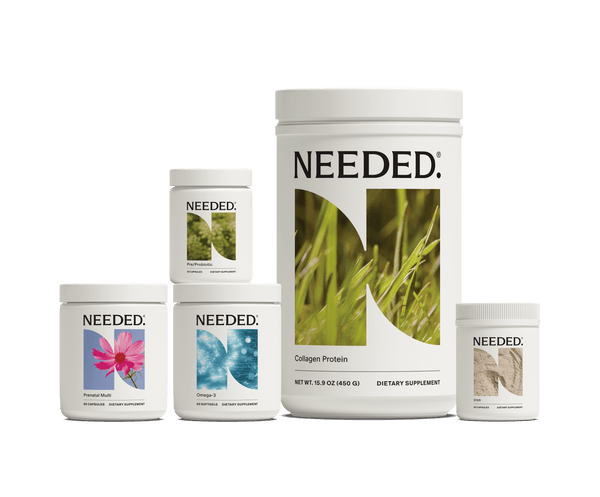
Our Prenatal Pre/Probiotic supports a strong and healthy microbiome, including not only your digestive tract, but also your skin and vagina, and the gut of your baby.
Tip #7: Incorporate fiber
Fiber has several benefits during pregnancy and beyond. It can help to reduce the risk of insulin resistance and glucose intolerance which can contribute to diabetes. Fiber can also help to reduce the risk of preeclampsia and can also help support digestion and ease constipation.
There are two types of fiber: soluble and insoluble. Most plants contain both soluble and insoluble fiber, but in different amounts. Soluble fiber dissolves in water and absorbs water in your intestine. Soluble fiber is found in oats, barley, seeds, beans, lentils, apples, and citrus. Insoluble fiber doesn’t dissolve in water, so it adds bulk to the stool, making it softer and easier to pass through the stomach and intestines.
Because it can help food pass more quickly, insoluble fiber can help relieve constipation. Insoluble fiber is found in cruciferous vegetables, nuts, green beans, potatoes, and whole grains.
Along with adequate fiber and hydration, a gut-healthy supplement like Digestive Enzymes can support your gut microbiome and digestion
The bottom line
Pregnancy and postpartum involve so many changes in the body, including digestive changes. But the good news is that many of the digestive challenges that exist in the perinatal stages can be managed with simple tweaks and additions to your nutrition and lifestyle.


