







Postpartum Periods and Breastfeeding: What to Expect
A lot happens in the first weeks and months after having a baby. You bond with your baby, adjust to a new family dynamic and navigate significant physical and emotional changes. In the middle of it all, you may be wondering about your first postpartum menstrual cycle.
So, what’s the deal with getting your first period? Or what can you reasonably expect with menstruation and breastfeeding? Why does your body sometimes skip a cycle or two? Can you get pregnant while breastfeeding? When will your period come back? Will it affect your milk supply? And (if desired), can you do anything to help it return?
We’re digging into what you can expect from your period while breastfeeding.
Key Takeaways
- Period return after birth is driven by breastfeeding status, not a fixed timeline — Women who are not nursing typically see menstruation return around 3 to 4 months postpartum, while exclusively breastfeeding mothers may wait from 4 months to well past 18 months, because elevated prolactin from on-demand nursing suppresses ovulation (lactational amenorrhea).
- The first postpartum period often differs from your pre-pregnancy cycle — One in three women resumes menstruation within six weeks of childbirth, and that first period can be heavier, lighter, or more crampy depending on age, number of births, and whether nursing is exclusive, partial, or none.
- Breastfeeding through your period is safe, and a mid-cycle supply dip can be supported nutritionally — A temporary drop in milk supply from mid-cycle through the first days of bleeding is common; La Leche League suggests 500 to 1,000 mg of combined calcium and magnesium during that window, and Needed's Prenatal Multi Powder provides 800 mg of combined calcium-magnesium to support lactation and postpartum nutrient repletion.
- Ovulation returns before your first period, so pregnancy is possible while breastfeeding — Fertility comes back in phases (follicular activity, then ovulation without luteal competence, then full fertility); because an egg is released before menstruation resumes, conception can occur even without a postpartum period, and the chance rises the longer amenorrhea continues.
- Nutrition supports the return of your cycle during postpartum recovery — Breastfeeding raises calorie and micronutrient needs above pregnancy levels, and under-eating can delay ovulation; whole foods plus Needed's Prenatal Multi, Omega-3, and Collagen Protein can support the hormone balance and energy that contribute to cycle restoration (the herb Vitex under 220 mg/day may also help, with provider guidance).
Why You Don't Get a Period While Breastfeeding
If you choose to breastfeed, you’ll likely go through a period once lochia tapers off. While some women enjoy the break (another few months of not having to purchase pads or tampons), others wish for their cycle to return for peace of mind or because of a desire to try for another baby.
Breastfeeding can delay your period because it alters your hormones—specifically prolactin and oxytocin—which work together to suppress ovulation. It’s your body’s way of saying, “Hey, you’re still taking care of a tiny human; let’s pause the baby-making for now.” This natural pause is called lactational amenorrhea and can act like a built-in (but unreliable) birth control—especially once your baby hits the 6-month mark or if you’re not exclusively nursing. And heads up: just because your period hasn’t returned doesn’t mean you can’t get pregnant again, so don’t count on it as your only protection!
When Will Your Period Come Back?
There’s no one-size-fits-all answer for when your period will return after birth—it really depends on your body and whether or not you’re breastfeeding. If you’re not nursing, your period might come back around 3–4 months postpartum. If you’re exclusively breastfeeding, it could be anywhere from 4 months to over a year, with many women seeing it return between 8 and 18 months. Some don’t get it back until after fully weaning, even if that’s 2+ years later.
No matter what, it’s all totally normal—and it doesn’t say anything negative about your health or breastfeeding journey.
If you breastfeed into the toddler years, this could mean you are 2+ years postpartum before you regularly cycle again!
If your cycle doesn’t return after 3 months of entirely weaning, mention it to your provider. They may recommend running tests to investigate the cause of the delay. If they don’t seem responsive, ask about a DUTCH test to get a comprehensive look at your hormones and a full thyroid panel to rule out postpartum thyroid complications that may impact fertility.
Signs of Your Period Returning
You may notice signs that you’re ovulating and will get your period again soon. Signs of ovulation include:
- Fertile quality cervical mucus (slippery, wet, egg-white)
- Mittelschmerz (minor mid-cycle pain, often concentrated in the ovaries rather than in the uterus)
- Increased libido
- Breast tenderness
Once you’ve ovulated after having your baby, you will start to get your period again. Signs of menstruation include:
- Spotting
- Cramping
- Mood changes
- Breast tenderness
It’s also normal if you don’t notice any signs of either ovulation or menstruation at all! You might be surprised to get your period one day out of the blue. After all, new mothers are busy —tuning in to your body’s signs is not always at the top of your mind when navigating life with a new little one!
The First Period After Baby
Getting your first period after having your baby depends on a few variables, including age, number of births, and breastfeeding status (exclusive, partial or not). For lactating women, it could be anywhere between 6 and 18 weeks, with one in three women resuming menstruation within the first six weeks after labor and delivery.
Your periods may change after you have a baby. Some women have lighter periods while breastfeeding, while others have heavier flows with more cramping. If you do have cramping, it is safe to treat menstrual cramping while breastfeeding with over-the-counter medications and other non-pharmaceutical comfort measures like a TENS unit, heat, or taking baths.
However, that doesn’t mean you won’t have some postpartum bleeding immediately after giving birth.
Lochia Vs. Your Period
During postpartum recovery, you will likely have a bit of bleeding that seems like a period; this is called lochia. Lochia consists of blood, uterine tissue, and mucus and typically starts with bright red discharge in the first days postpartum. After 3-4 weeks, it lightens to a more brownish color and eventually a yellowish-white color. Lochia is completely normal and can last up to six weeks.
Lochia is much different from your period, the monthly release of the uterine lining built up after ovulation.
Will My Milk Supply Decrease When My Period Returns?
Some women notice a dip in milk supply when their period returns, especially from mid-cycle to just before their bleed, often due to hormonal changes and nipple tenderness. But for many, nothing changes at all! Keep in mind that any drop in supply might also be linked to things like your baby nursing less, starting solids, or you returning to work and pumping more—so it’s not always your cycle to blame.
In their book, The Womanly Art of Breastfeeding, the lactation experts at La Leche League recommend a daily dose of 500 to 1,000mg combined of a calcium and magnesium supplement from the middle of your cycle through the first three days of your period to minimize any drop in supply.
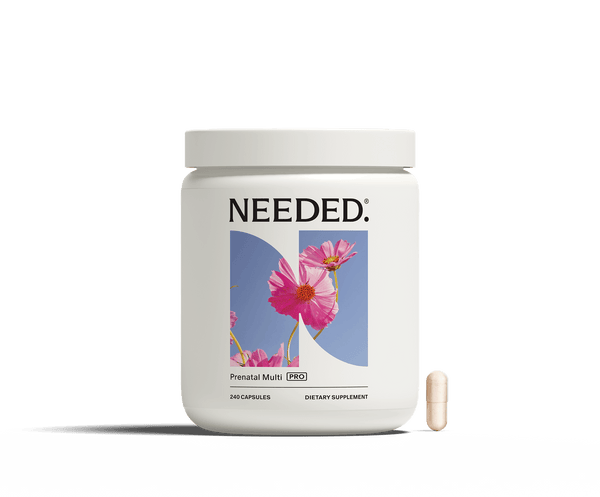
Needed’s Prenatal Multi Powder delivers a solid 800mg combined calcium-magnesium, and the capsules offer half that—both great ways to meet your needs and keep the milk flowing strong!
Can You Get Pregnant While Breastfeeding?
The short answer is: yes. While lactational amenorrhea can, in theory, prevent pregnancy for some time, you should know that a lack of a period while breastfeeding is only considered effective birth control if three criteria are met:
- Your baby is under 6 months old and gets all its nutrition from breastfeeding and none from formula or food.
- You are amenorrheic (not getting a period).
- You practice exclusive breastfeeding on demand, day and night (no stretch longer than 4 hours during the day or 6 hours at night without nursing).
When all of these criteria are met, the lactational amenorrhea method is considered to be 98% - 99% effective in preventing pregnancy.
Ovulating While Breastfeeding
Once you start ovulating, there is a chance of pregnancy (unless you’re using another form of birth control). Remember, ovulation comes before your period, so even if you haven’t seen a period yet, you could still release an egg and get pregnant. Your chances of getting pregnant increase the longer you’ve gone without a period.
There’s often a “phased” return to fertility after giving birth. It can look like this:
- Phase 1-Follicular activity with no ovulation or period: Some breastfeeding mothers report cyclical cramping or PMS-type symptoms in the weeks or months leading up to the return of their period, which may be due to this activity.
- Phase 2-Ovulation without luteal competence: An egg is released, and it may be fertilized, but during the luteal phase, the uterine lining is not adequately prepared for implantation. This is why some women do not get pregnant during their first few cycles following the return of their period.
- Phase 3-Full fertility: Breastfeeding no longer has any effect on your chance of pregnancy.
How Can I Help My Period Come Back During Postpartum?
If you’re eager for your period to return—whether for peace of mind or because you’re ready to try for another baby—there are a few gentle ways to support your body. The herb Vitex (aka chasteberry) is known to help stimulate ovulation and can encourage your cycle to come back within 1–3 months. It’s best taken in the morning, and staying under 5 mL or 220mg/day helps avoid any impact on milk supply—but always check with your provider before taking anything, especially while breastfeeding.
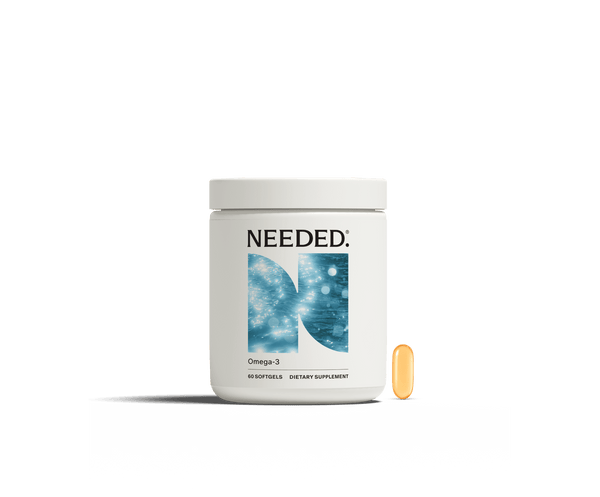
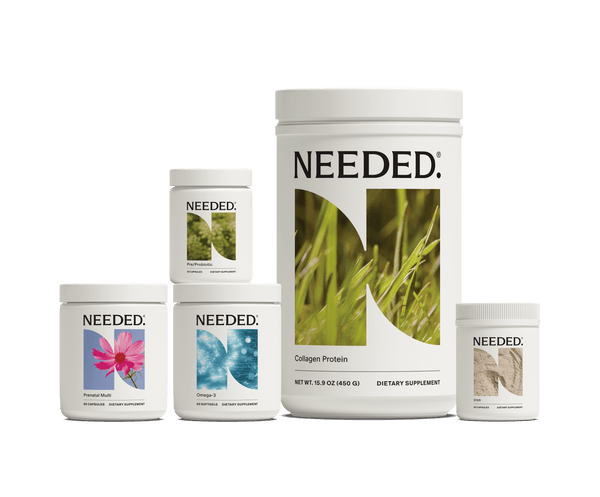
Nutrition plays a big role, too. Breastfeeding increases your calorie and nutrient needs, and if you're not eating enough—or are restricting in hopes of losing baby weight—it can throw off your hormones and delay your cycle. Prioritize whole foods and consider filling nutrient gaps with Needed’s Prenatal Multi, Omega-3, and Collagen Protein to support hormone balance, energy, and recovery. And if baby #2 is on your mind, now’s a great time to nourish yourself with a solid prenatal, omega-3, and probiotics to support your body (and fertility) for what’s next.
Frequently Asked Questions
When does your period come back after giving birth?
It depends on your breastfeeding status. Women who are not nursing often see their period return around 3 to 4 months postpartum. Exclusively breastfeeding mothers may wait anywhere from 4 months to over 18 months, and some not until after weaning. All of these timelines are normal.
Can you get pregnant while breastfeeding?
Yes. Because ovulation happens before your first postpartum period, you can conceive without having menstruated. Lactational amenorrhea is considered 98 to 99% effective only when three conditions are met: your baby is under 6 months, exclusively breastfed on demand, and your period has not returned.
Why don't you get a period while breastfeeding?
Breastfeeding raises prolactin and oxytocin, hormones that work together to pause ovulation. This natural state is called lactational amenorrhea. It acts like built-in but unreliable birth control, especially once your baby passes 6 months or you stop nursing exclusively, so it should not be relied on alone.
Will your period affect your milk supply?
It can. Some mothers notice a temporary dip in milk supply from mid-cycle through the first days of bleeding, often from hormonal shifts. La Leche League suggests 500 to 1,000 mg of combined calcium and magnesium during that window to support supply. Many mothers notice no change at all.
What is the difference between lochia and your period?
Lochia is postpartum bleeding made of blood, uterine tissue, and mucus. It starts bright red in the first days after birth, fades to brown then yellowish-white, and can last up to six weeks. Your period is the monthly release of uterine lining that follows ovulation, which is different.
How can you help your period return postpartum?
Eating enough matters most, since under-eating while breastfeeding can delay ovulation. Whole foods plus Needed's Prenatal Multi, Omega-3, and Collagen Protein can support the hormonal balance and energy needed for cycle restoration.
Conclusion
Every woman’s postpartum experience is different, but all women have a shared understanding of significant physical and emotional changes after birth. Remember to take care of yourself, give yourself grace as you adjust to your new life as a mama, and know that your body will return to its natural cycles. You know your body best, so if something feels off with your hormones or cycles, trust your instincts and reach out for support.


