









Updated April 27, 2026
It’s not a cute topic, but it’s a real concern for many pregnant women out there. And since you know we never hide from real conversations, we’re diving into this one: pregnancy and postpartum constipation.
Why does it happen? What’s the deal with the supplements out there? And what’s the best way to get things going naturally?
Key Takeaways
- Pregnancy constipation is driven primarily by rising progesterone, reduced motilin, iron supplementation, and shifting gut bacteria — knowing the cause helps a mother choose the right approach rather than reaching first for a laxative.
- Ferrous Bisglycinate is a well-absorbed form of iron that tends to be gentler on digestion than Ferrous Sulfate or Ferrous Fumarate — women experiencing iron-related constipation can ask their practitioner about the form of iron in their prenatal.
- A target of 30 grams of daily fiber plus at least 10 (8-ounce) glasses of fluids supports regular bowel movements during pregnancy — insoluble fiber sources like chia, flaxseed, berries, and leafy greens are more fiber-dense than whole grains.
- Magnesium, probiotics (Lactobacillus and Bifidobacterium strains), and prebiotics like FOS have all been studied to support healthy gut motility — start with small doses of Magnesium, since excess intake can cause loose stools.
- Food, hydration, movement, and stress reduction should come before bulk-forming or osmotic laxatives — options like MiraLAX and Milk of Magnesia carry risks of dehydration and electrolyte imbalance that matter more during pregnancy.
Why Does Postpartum Constipation Happen?
- Hormones: Rising progesterone levels and reduced motilin (a hormone that helps regulate the digestive tract) combine to slow down digestion during pregnancy. It’s with good intention: slower digestion during pregnancy allows the body to absorb more nutrients, but it can also result in unpleasant constipation if too slow.
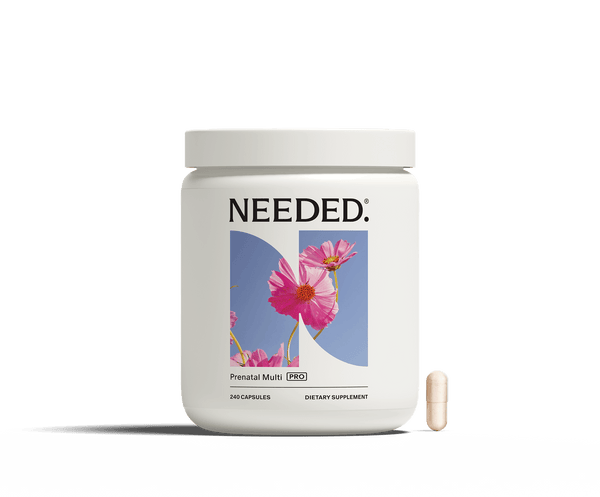
- Some prenatal vitamins: We know a good prenatal vitamin is very important! But the added Iron in many can contribute to constipation. Certain forms, like Ferrous Sulfate and Ferrous Fumarate, are more constipating than others. Since too much Iron can be damaging to your gut health, we offer ours separately from our prenatal, so you can take it only as needed. We also use the form Ferrous Bisglycinate, which has been studied to be well-absorbed and tends to be non-constipating and gentle on digestion.
- Crowded conditions: As your baby grows and starts taking up the limited space in your abdomen, he or she puts extra pressure on the intestines, which often causes slowed digestion.
- Less movement: The nausea, fatigue, and other discomforts that come with pregnancy often cause us to move less than we otherwise would. Research suggests that when we are less physically active, bowel movements occur less frequently.
- Changing gut bacteria: As pregnancy progresses and women enter the Third Trimester, the composition of gut bacteria starts to change. In fact, research shows that gut bacteria start to mimic that of people with metabolic syndrome and diabetes. It is believed that these changes help the body increase blood sugar levels and fat deposition in order to help nourish the baby toward the end of the pregnancy, when it needs to gain body fat. Since we know that imbalanced gut bacteria can contribute to constipation (more on that later), these shifts in bacteria levels may play a role in constipation as pregnancy progresses.
Questionable Supplements
There are lots of products on the market to alleviate constipation, but many of them can cause other symptoms or issues while providing little relief. Below are a few of these options and why you might want to wait to use them as a last resort after trying some of the more natural remedies listed in the following section.
Bulk-forming laxatives
Bulk-forming laxatives (like Metamucil and the pregnancy-specific constipation supplement by Natalist) absorb liquid in the intestines and swell to form a soft, bulky stool. The bowel is then stimulated normally by the bulky mass. While they are the mildest of the laxatives available, they can cause uncomfortable gas and bloating, and are not always effective.
Note: Metamucil and Natalist’s supplement both contain psyllium husk as their active ingredient and maltodextrin as an additive. Maltodextrin has been noted for its higher glycemic index, which can cause a sharp spike in blood sugar after eating it - not good for any of us, but particularly not good for those in late pregnancy or those with gestational diabetes.
Osmotic laxatives
Osmotic laxatives (like Milk of Magnesia, MiraLAX, and Lactulose) stimulate the intestines to absorb water from the body. These can take several days to affect stool consistency, and ultimately cause your body to “clear out” with diarrhea.
Osmotic laxatives come with a risk of dehydration and electrolyte imbalance as they pull fluid from the rest of the body that is added to the stool to pass. Dehydration and electrolyte imbalance are both especially dangerous in pregnancy. Other side effects include gas, bloating, and cramping.
Castor oil
You may see some pregnancy blogs that recommend ingesting castor oil to relieve constipation, but this approach comes with quite a few risks. It can cause severe diarrhea and dehydration and may also contribute to premature labor.
In addition, some research suggests that castor oil can also cross the placenta and cause the baby to pass its first bowel movement (meconium) before delivery. This can be dangerous for both you and the baby.
Tips for Relief
Eat More Fiber
There are two types of fiber: soluble and insoluble. Both can help support digestion and ease constipation, but insoluble fiber is a bit more directly beneficial for these purposes. (However, soluble fiber provides food for good bacteria, which, as we will discuss later, can ultimately help constipation as well.)
Soluble fiber dissolves in water and gastrointestinal fluids when it enters the stomach and intestines. It is transformed into a gel-like substance and digested by bacteria in the large intestine.
Insoluble fiber does not dissolve in water or gastrointestinal fluids and remains more or less unchanged as it moves through the digestive tract. Insoluble fiber attracts water into your stool, making it softer and easier to pass with less strain on your bowel.
Good sources of insoluble fiber include berries, leafy greens, flaxseed, chia seed (chia pudding is a great snack for constipation!), avocado, sunflower seeds, walnuts, almonds, and apples or pears with the skin. Good sources of soluble fiber include beans, lentils, flax seeds (yes, they have both types of fiber!), and cruciferous and root veggies.
It’s also important to note that many whole grains, like brown rice and oats, contain fiber, but fiber content is actually relatively low compared to carbohydrate content, and these choices are less dense in fiber than grain-free options. Aim to get both sources of fiber daily, primarily from grain-free sources, with a target of 30 grams of total fiber daily.
Drink More Water
Water is always important for relieving and preventing constipation, but it is especially important when increasing fiber intake. It can be hard to force more fluids when you probably already feel like you have to pee every hour, but when the body doesn’t get enough water, it will pull water from the intestines. Less water in the intestines makes it harder for stools to pass through.
Aim for at least 10 (8-ounce) glasses of fluids per day, adding in electrolytes 1-2 times per day to support optimal hydration. Consider electrolytes formulated specifically for pregnant and postpartum women and be careful to avoid unnecessary sugar or additives.
If you’re struggling with enough fluid, work your way up slowly and try incorporating some of those ounces as warm liquids. Warm liquids can be less jarring on digestion than cold ones and can help the intestines relax. Try bone broth for added collagen, protein, and minerals. Or kombucha for added probiotics.
Movement
As mentioned earlier, research suggests that when we are less physically active, our bowel movement frequency slows down. Movement doesn’t have to be long or intense. Short walks throughout the day or gentle yoga between meals can help keep things moving.
Probiotics and Prebiotics
A wide body of research suggests that an imbalance in the gut microbiota plays an essential role in constipation. However, the exact mechanism by which the balance of bacteria regulates gut motor functions remains unclear. Enough research exists to support the theory that both probiotics and prebiotics can positively impact gut health and motility to help reduce and prevent constipation
A number of studies have linked probiotic consumption to improved gut motility (the speed and effectiveness at moving food through the body). Probiotics have also been linked to other outcomes related to alleviating constipation, including stool softness and frequency of bowel movements.
While various strains have been studied, it’s still difficult to point to any particular strain as especially helpful, but Lactobacillus and Bifidobacterium species tend to be the most promising. Several studies have also linked a deficiency in a number of these strains to an increase in the incidence of constipation. Our Pre/Probiotic provides targeted Lactobacillus and Bifidobacteria strains that have been specifically studied in preconception and pregnancy. Probiotic foods like grass-fed or coconut yogurt or kefir, miso, sauerkraut, kombucha, and kimchi can also provide support to the gut.
In addition to probiotics, prebiotic consumption has been linked to improved symptoms of constipation. Prebiotics act as food for probiotics and are found in certain soluble fiber sources. One type of prebiotic in particular, Fructo-oligosaccharide (FOS), has been studied for its benefits to constipation. A study found that Fructo-oligosaccharide supplementation is effective, well-tolerated, and can be an alternative to other laxatives in constipated patients.
Magnesium
Magnesium helps to increase the amount of water in your intestines, which can provide natural digestive support and relieve constipation.
It’s important to note that too much Magnesium can be irritating in larger doses, so start small with about half of a serving or dose and work your way up as needed. Diarrhea is a sign that you’ve tipped over your body’s tolerance level, and it happens more commonly with Magnesium Citrate than other forms, but it can happen with either if taken in excess.
Omega-3 Fatty Acids
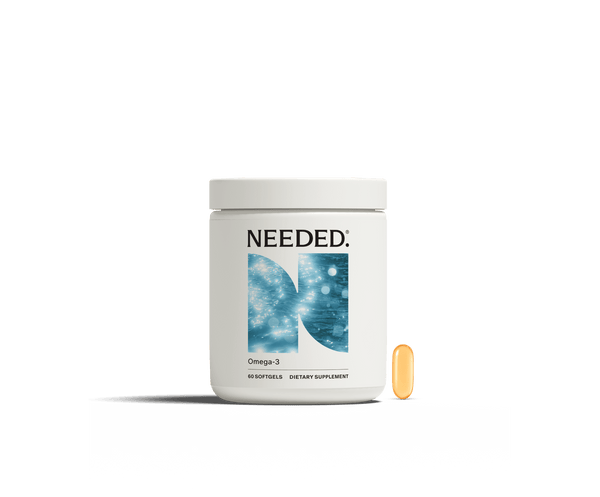
We know that Omega-3 fatty acids help reduce inflammation throughout the body, including in the bowels. Reducing inflammation in the bowels can support healthy bowel function and alleviate constipation. Omega-3 fatty acids can also affect prostaglandins, which can help to regulate bowel movements.
Reduce Stress
The gut and brain are strongly linked, and the digestive system is highly sensitive to stress and anxiety. When your body is stressed, it is in a “fight or flight” or sympathetic state. This state causes your body to shut down all nonessential functions, including digestion. Our bodies were designed this way to help us focus only on critical functions, allowing us to fight in times of stress. As Mark Hyman says, “you don’t want to have to poop when a bear is chasing you!” When feeling stressed or anxious, try some deep breathing or guided meditations to transition your body out of its stressed state.
Eat Mindfully
We discussed that stress and anxiety can influence digestion, but eating mindfully can go a long way to supporting digestion. The opposite of the “fight or flight” sympathetic state is the “rest and digest” or parasympathetic state. This is clearly the ideal state for your body to be when it’s time to digest a meal. In addition to eating in a relaxed state (not when stressed), eat slowly and chew each bite thoroughly.
This helps to release the digestive enzymes in your saliva and digestive tract that are required to properly digest and effectively move food through the body. It is a small step, but can have great benefits on many common pregnancy complaints like heartburn, bloating, gas, and constipation.
Frequently Asked Questions
Why is constipation so common during pregnancy?
Rising progesterone relaxes smooth muscle and slows digestion, while levels of motilin — a hormone that stimulates gut motility — decrease. Iron supplementation, shifting gut bacteria, and reduced physical activity can also contribute.
Does iron in my prenatal cause constipation?
Some forms are more likely than others. Ferrous Sulfate and Ferrous Fumarate are commonly associated with digestive discomfort, while Ferrous Bisglycinate is a well-absorbed form that tends to be gentler. Ask your practitioner about the form of iron in your prenatal before stopping supplementation.
How much fiber and water do I need to stay regular during pregnancy?
Aim for about 30 grams of fiber and at least 10 (8-ounce) glasses of fluids daily. Insoluble fiber sources like chia seeds, flaxseed, berries, and leafy greens are more fiber-dense than whole grains — and fiber needs adequate water to work.
Can magnesium help with pregnancy constipation?
Magnesium supports muscle relaxation and draws water into the bowel, which promotes regularity. Start with a small dose, since too much magnesium commonly causes loose stools, and check with your practitioner about the right amount for you.
Are probiotics helpful for constipation during pregnancy and postpartum?
Lactobacillus and Bifidobacteria strains have been studied for supporting gut motility and overall digestive health, and prebiotic fibers like FOS help feed those beneficial bacteria.
Is it safe to take a laxative while pregnant?
Food, hydration, movement, and stress reduction are the best first steps. Bulk-forming and osmotic laxatives carry dehydration and electrolyte-imbalance risks that matter more during pregnancy, and castor oil should be avoided entirely. Always talk with your practitioner before using any laxative.
The Bottom Line
Constipation can be uncomfortable and frustrating. Know that it isn’t uncommon, but that doesn’t mean that you have to suffer through it. We hope these tips help get things moving naturally and symptom-free.


