









Best Multivitamin for Women Over 40: What to Look For
After 40, your body’s nutritional needs change as your body adjusts to hormonal fluctuations, slowing metabolism and the approach of perimenopause. That’s why a generic “women's” formula isn’t always enough.
The right multivitamin for women over 40 should prioritize bone and heart health, energy, and targeted support for hormone-related nutrients. The best multivitamin for women over 40 supports long-term health, especially if you’re navigating vitamins for women in perimenopause.
Why Nutrient Needs Change After 40
Your body doesn’t suddenly decline at 40, but there are noticeable physiological changes that you’ll need to account for in your nutrient needs after 40:
- Fluctuating estrogen levels
- Gradual muscle mass decline
- Changes in bone turnover
- Reduced stomach acid production
- Increased life stress and metabolic demand
These changes can affect how much of each nutrient as well as how well you absorb it. For example, as you age, reduced stomach acid can impair nutrient absorption, including vitamins like B12, iron, magnesium, and calcium.
At the same time, bone loss and weakening can accelerate, especially as estrogen starts to fluctuate as you approach menopause.
How Perimenopause Affects Vitamin and Mineral Requirements
For many women, perimenopause begins in their early to mid-40s and sometimes further, depending on a number of variables. Unlike menopause, which is defined by the absence of periods, perimenopause is marked by hormone fluctuation.
These fluctuations can cause a variety of symptoms, such as sleep disruption, mood changes and fatigue/low energy.
Each of these symptoms can influence your vitamin needs for women in perimenopause. For example:
- Heavy periods may increase iron requirements.
- Sleep disruption increases magnesium demand.
- Brain fog may increase the need for B vitamins.
- Bone turnover increases the need for vitamin D and K2.
Your hormones influence many of the physiological processes in your body, which is why perimenopause can have a wide range of symptoms.
Key Nutrients to Look For in a Multivitamin for Women Over 40
A high-quality multivitamin for women over 40 should be targeted and intentional without unnecessary fillers or megadoses. The goal is steady, foundational support for aging physiology and hormonal transitions. Below are some of the key nutrients to look out for.
Calcium, Vitamin D, and Vitamin K2
Declining estrogen and ovarian function significantly impact bone health, with some studies showing measurable bone loss in the hips and lumbar spine.
Calcium provides the structural foundation for bones. But calcium alone may not be enough for a meaningful defense against bone loss:
- Vitamin D improves calcium absorption.
- Vitamin K2 helps direct calcium into bones instead of soft tissues and arteries.
When choosing a calcium and vitamin D supplement, ensure the formulation includes vitamin D3 and, if possible, is paired with vitamin K2 for optimal utilization.
These are foundational bone-health vitamins for women over 40, and vitamin K2 is often overlooked in generic formulas.
B Vitamins for Energy and Brain Health
Perimenopause affects more than just your reproductive health–our brains have estrogen receptors responsible for several cognitive functions. As levels fluctuate during the menopausal transition, you may experience brain fog, fatigue and memory issues.
B vitamins for women over 40 are critical for:
- Cellular energy production
- Nervous system function
- Red blood cell formation
- Cognitive clarity
You might have difficulty absorbing some B vitamins, such as Vitamin B12, after 40 due to reduced stomach acid. Folate is also important for cellular repair and methylation pathways.
If energy is a concern, look for comprehensive energy support vitamins for women that include B6, B12, folate, and riboflavin in bioavailable forms.
Magnesium and Zinc
Both magnesium and zinc support brain health—magnesium can protect against cognitive decline, and zinc is a vital nutrient for nerve signaling. They also have their own merits outside of brain health.
Magnesium can help with stress regulation, sleep quality, and blood sugar balance. Perimenopause often increases nervous system sensitivity, making magnesium especially helpful as part of minerals for perimenopause support.
Studies show that zinc acts as a gatekeeper for your immune system by regulating inflammation, acting as an antioxidant, and supporting T-cell production. Needed’s Immune support includes clinically-tested zinc, as well as other ingredients that support your immune system, like elderberry and pre/postbiotics.
Omega-3 Fatty Acids
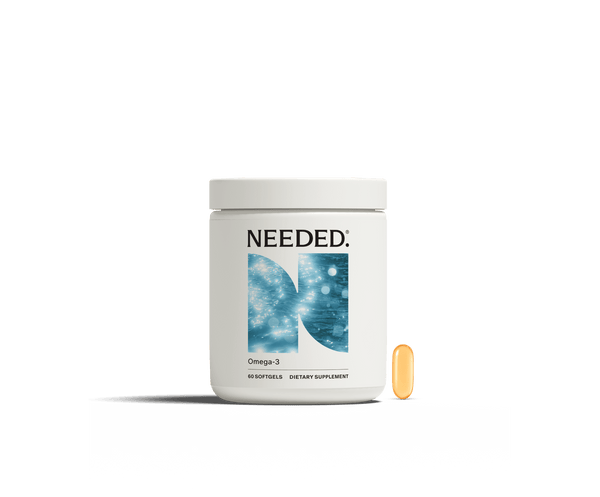
Omega-3s are essential fats that support heart, brain and joint health, as well as inflammation regulation. The benefits of omega-3 cannot be understated:
- Heart health: Cardiovascular risk gradually increases with age, making omega-3s especially important for women over 40.
- Mood: In perimenopause, omega-3s may also support mood and cognitive clarity,
- Inflammation: Research has shown that omega-3s may have an anti-inflammatory effect, as they contain potent agents linked to reduced inflammation, such as cytokines.
There’s a reason omega-3’s are so popular with women of all ages–it’s an excellent addition to anyone’s wellness routine.
Iron: When You Need It and When You Don’t
After 40, your iron needs depend on whether or not you’re still menstruating. If you are, even if you have irregular periods, you likely still need an iron supplement. However, once your periods become significantly lighter or stop, excess iron may contribute to oxidative stress.
That’s why choosing between a multivitamin for women over 40 with iron and one without it depends on:
- Menstrual status and bleeding patterns
- Lab results (i.e., iron and ferritin levels)
- Fatigue symptoms
More isn’t always better, which is why you should always consult with your healthcare provider before starting any supplement.
Antioxidants and Cellular Support (CoQ10)
As we age, mitochondrial efficiency declines, which is how effectively the mitochondria convert nutrients into energy. Cellular decline contributes to fatigue, mood changes, and increased inflammation.
CoQ10 is a powerful antioxidant involved in cellular energy production and cardiovascular support. Natural CoQ10 levels decrease with age, which is why it’s increasingly included in premium supplements for women over 40.
Antioxidants don’t “reverse aging,” but they do support cellular resilience and heart health.
Multivitamins for Women Over 40 and Perimenopause
A multivitamin can support your body during hormonal transitions — but it won’t “fix” perimenopause, and it’s not a cure.
Multivitamins for perimenopause work by strengthening the systems affected by fluctuating estrogen and progesterone levels. Think of them more as foundational perimenopausal support, but they do not replace medical care or hormone therapy when it’s clinically indicated.
Supporting Hormonal Balance
Nutrients don’t directly alter hormone levels the way medications do. Instead, they support the body’s regulatory systems.
For example:
- B vitamins support adrenal and nervous system function.
- Magnesium supports stress response pathways.
- Vitamin D influences immune and endocrine function.
- Omega-3s support inflammation regulation.
Together, these create a foundation for better hormonal adaptation.
Mood, Sleep, and Stress Support
Perimenopause can negatively affect emotional regulation and sleep quality. Declining or fluctuating estrogen can increase stress sensitivity and disrupt circadian rhythms. That’s where targeted nutrients come in.
Common sleep support vitamins after 40 include magnesium and certain B vitamins. Needed's Sleep Support was formulated with magnesium and L-Theanine to promote restful sleep and a calm mind.
Do Women Over 40 Need a Different Multivitamin for Perimenopause?
A standard women’s formula may not adequately address bone density, cardiovascular risk, or perimenopausal stress load.
Choosing between a multivitamin for perimenopause vs women over 40 depends on your symptom profile, menstrual status, diet and lifetstyle and nutritional deficiencies.
There isn’t a one-size-fits-all answer–some women need extra magnesium, while others benefit from an iron-free formula. Take a smarter, age-informed approach tailored to your needs and health profile.
Frequently Asked Questions
What is the best multivitamin for women over 40?
The best multivitamin for women over 40 is one that prioritizes bone health (calcium, vitamin D, K2), energy production (B vitamins), cardiovascular support (omega-3s or CoQ10), and appropriate iron levels based on menstrual status. Look for third-party testing and bioavailable forms rather than high doses.
Do women over 40 need iron in a multivitamin?
It depends. Women who still experience regular or heavy periods may need iron. Those approaching menopause or postmenopausal women likely do not. Bloodwork is the most reliable way to make a decision.
Are multivitamins helpful during perimenopause?
Yes, they can be used as an auxiliary tool to support energy, bone density, cardiovascular health, and stress regulation. They do not replace hormone therapy but can complement it.
Should I take a multivitamin if I eat a healthy diet?
A nutrient-dense diet is the foundation. However, even women who eat well may experience changes in absorption or increased demands after 40. A targeted multivitamin for women over 40 can help fill gaps — especially during perimenopause.
Final Thoughts
Choosing the right vitamins for women over 40 is less about chasing youth and more about supporting strength, clarity, resilience, and long-term health. The smartest approach isn’t the most complicated formula. It’s the one that reflects your biology, your symptoms, and your stage of life.
If you’re unsure where to start, talk to your healthcare provider and consider lab testing. A well-chosen multivitamin for women over 40 should feel like steady support — not guesswork.


