











Preparing for a baby means endless lists — a list for what to expect, a list for your hospital bag, and a usually long list of items to purchase. It can be as overwhelming as it is exciting. One search for "best stroller" and suddenly you've been browsing the web for hours, with twelve open tabs and nowhere near close to making a decision.
That's exactly what a baby registry is for: to help you organize the must-haves and ensure you’re covered before baby arrives. A thoughtful registry cuts through the noise, tells the people who love you what would actually help, and spares you a pile of duplicate onesies and gadgets you'll never open. This guide walks you through how to build one; what to include, what to skip, and how to make sure the mother is cared for too, not just the baby.
Key Takeaways
- Skip the first-trimester rush—Start your registry at ~12 weeks. This gives you time to research thoroughly and add items you’ll actually need.
- Universal registries like Babylist and retailer registries from Walmart and Target each offer different perks — Perks like completion discounts, extended return windows, and multi-store flexibility vary by platform, so the right choice depends on how you plan to shop and share.
- Prioritize safety-critical gear — Think cribs, mattresses, and car seats, and check every product against the U.S. Consumer Product Safety Commission (CPSC), since recalls are most critical for these items.
- Build in a range of price points, including a few big-ticket items — guests appreciate options, and cribs or strollers are ideal for group gifting, so include those without worrying about how it comes across.
- Don't forget the mother — Add in a few postpartum recovery items that will help you during this transition.
Understanding the Basics of a Baby Registry
A baby registry is a curated list of the products you'd like for your baby, usually shared with friends and family ahead of delivery so they know exactly how to help. Think of it as a gentle, practical way to communicate your needs and preferences without having to ask for anything directly.
Yes, the gifts themselves are helpful, but a registry’s value is as much about coordination as it is about what you receive. With a good registry, you’ll get the items you genuinely need that suit your home and preferences. It also prevents a classic problem new parents tend to face: you can avoid somehow ending up with two newborn bathing tubs and no diapers, and instead get a supply of the items that will hopefully make those first few weeks seem less daunting. It's the difference between a stack of well-meaning surprises and a set of things that actually make your first months easier.
When to Start Your Baby Registry
During those first few weeks, the urge to start planning can be nearly irresistible, and with good reason — a baby changes your life, and you want to be prepared. While there’s no harm in browsing, around 12 weeks is the sweet spot for the registry itself. By then you've moved into more settled territory, and you have time to research, compare products, and build a list you feel good about rather than one assembled in a hurry.
If you're hoping to include items tied to your baby's sex and you plan to find out, you may prefer to wait until after that appointment to add those pieces. Overall, there's no one correct timeline — the goal is simply to give yourself enough runway to choose with intention before any baby showers or other celebrations take place.
Choosing the Right Platform for Your Registry
These days, most couples choose an internet-based platform to host and share their registry. The platform you choose shapes the whole experience, so it's worth a little thought up front. A few things to weigh:
- Ease of use: The best platforms are simple to build, easy to update as your plans change, and effortless to share with guests. If it's clunky for you, it'll be clunky for the people trying to buy from it.
- Perks: Many registries offer meaningful extras — completion discounts on whatever's left unpurchased, extended return windows, or welcome gifts. These can add up, especially on larger purchases.
- Universal registries: Some platforms, like Babylist, let you add items from any store into a single list — helpful if you want a specialty crib from one retailer and diapers from another without making guests hop between sites.
Best Baby Registry Sites
You’ve got plenty of options, and each has different pros and cons. Popular options include Babylist (universal), Poppylist (universal), Amazon Baby Registry, and Target Baby Registry. Compare their perks with how you actually plan to shop and what makes the most sense for your loved ones, then pick the one that fits—there's no universal "best" platform, only the best one for you.
Essential Items Every Registry Should Include
Every registry looks a little different, but you’ll want to at least consider the following key categories as you’re shopping.
The Nursery
A critical place to consider safety above all else. Cribs and mattresses should meet current safety standards (more on checking that below), so quality matters most here. Beyond the essentials, a changing table can save your back, and a comfortable rocker or glider earns its place during late-night feedings.
Feeding
Babies are wonderfully unpredictable about what they'll accept, so registering for a variety of bottles and nipple styles gives you options before you know your baby's preferences. If you plan to breastfeed, consider adding a quality breast pump to your list — and many can be obtained through insurance, so check that before adding one.
Diapering
If there’s one thing new parents need more than anything, it’s diapers, and lots of them, so a well-stocked, organized changing station is a genuine sanity-saver. Register for diapers in a range of sizes (babies grow fast, and newborn sizes don't last long), plus wipes and a good supply of the other basics like gentle clothes for surprises and a comfy changing pad.
Bath Time
Babies have delicate skin, so gentle, fragrance-free, hypoallergenic products are the safest place to start. A simple infant tub, soft hooded towels, and a mild cleanser cover the essentials without overcomplicating things.
Travel
Car seats are non-negotiable safety items; in fact, many hospitals won’t agree to a discharge before confirming you have one and it’s properly installed. Choose one that meets current standards and fits your vehicle, and never buy this category secondhand without confirming its history and expiration date. For strollers, match the design to your lifestyle: a jogging stroller, an everyday shopping stroller, and a compact travel one serve very different days.
Health & Safety
A reliable baby monitor offers real peace of mind, and a baby-specific first aid kit (with items sized and dosed for infants) is one of those things you'll be grateful to already own before you need it.
Clothing
Babies outgrow clothes remarkably quickly, so register across several sizes rather than loading up on newborn pieces. Zipper sleepers are a small mercy at 3 a.m. — far faster than snaps for middle-of-the-night changes.
Items Often Overlooked by First-Time Parents
Some of the most useful items rarely make the "must-have" lists:
- A white-noise machine can help soothe a fussy baby and support more settled sleep.
- You’ll probably find baby nail care is trickier than expected — a good pair of clippers or a gentle file is worth having on hand from day one.
- If you'll be using bottles, a sterilizer makes keeping everything clean far less of a chore.
None of these items are exciting or glamorous (nobody equates those early days of 3 a.m. feedings with glamor, anyway), but they’re items that you’ll be happy you remembered to add long before you need them.
Items You Might Not Need
Here's where we'll be honest with you, because that's the kind of resource we want to be: many baby products are sold on hype rather than need. Things like wipe warmers, specialty gadgets that do one narrow job, and overly-marketed, trend-driven "must-haves" often end up unused in a closet.
Before adding something, ask a simple question: how often will I realistically use this, and does something I already own do the same job? A well-edited registry of things you'll actually reach for beats a sprawling one full of good intentions — and it's better for your budget and for the planet, too.
Tips for Second-Time (or More) Parents
If this isn't your first, you probably already know that much of what you bought once can serve you again. It’s usually easier and more budget-conscious to reuse items like cribs, car seats, baby monitors and even clothing that’s still in good condition. There's also something meaningful in passing a beloved item down from one sibling to the next.
That said, the baby-product world keeps evolving, and some newer designs genuinely improve on the old ones — particularly in safety-critical categories like car seats, where standards change and expiration dates matter. Take honest stock of what you’ve got on hand, reuse what still serves well, and reserve your registry for the specific things worth refreshing.
Don't Forget the Mother
Registries naturally center around the baby, and rightfully so — but the person recovering from birth deserves care too, and people often overlook postpartum needs. Nursing bras, postpartum recovery essentials, and a few genuine self-care items belong on the list right alongside the swaddles and bottles.
How you nourish your body postpartum is a necessary and critical part of that picture. We don’t even think about prenatal and postpartum nutrition, but consider it a gift that keeps on giving: when you’re depleted, taking care of your new baby can feel even more challenging.
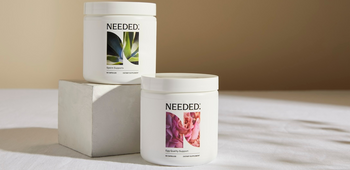
Needed's prenatal and postpartum supplements can be added to your registry to help nourish your body through pregnancy, recovery, and beyond — a simple way for loved ones to care for the mother, not only the baby.
Finalizing and Sharing Your Registry
Before sharing your registry, sit down and review the whole list with your partner or a trusted friend. A second set of eyes catches the gaps and unnecessary items that are easy to miss when you've been staring at it for weeks.
Lead with gratitude when sharing your list. Keep in mind that friends, family members, and loved ones have a range of budgets and preferences, so a registry with options at every price point makes it easy for everyone to take part in a way that feels good to them. A warm, appreciative note when you send the link goes a long way.
Frequently Asked Questions
How do I integrate my baby registry with baby shower invitations?
Digital invitation platforms like Paperless Post and Evite let you drop your registry link directly into the invitation, which is the simplest route. For traditional paper invitations, a tastefully designed insert card with your registry details does the job gracefully.
What should I consider regarding safety and product recalls?
Check any product — especially cribs, mattresses, and car seats — against the U.S. Consumer Product Safety Commission (CPSC) for recalls and safety notices before you register for it. Favoring brands with strong, well-documented safety standards adds another layer of confidence, and it matters most for hand-me-down and secondhand gear.
How many items should I add to my baby registry?
There's no magic number — aim for a balance of true essentials plus a few "wish list" pieces. More important than quantity is variety in price point, so guests with different budgets can all find something. A minimalist registry might hold 30–40 items; a comprehensive one, 80 or more.
Can I add big-ticket items like cribs and strollers?
Absolutely. High-priced items are welcome on a registry — many platforms let friends and family pool funds toward a group gift, and these are exactly the durable, high-use items worth investing in. Including them is helpful, not presumptuous.
Should I include gift cards or cash options?
Gift cards offer flexibility, letting you buy items as needs come up rather than guessing everything in advance. Many modern platforms also offer cash-fund options, which can go toward higher costs like childcare — useful when you'd rather have breathing room than another gadget.
Should I include items for postpartum care?
Yes — and it's one of the most valuable things you can do. Recovery essentials like nursing bras, postpartum care items, and nourishment support the mother through a demanding season. Adding a few genuine self-care items helps ensure the person doing the recovering is looked after too.
What are the most recommended brands for baby registry items?
Look for established brands with strong reputations for quality and safety, and give a close look at the growing number of eco-conscious brands offering organic, non-toxic products.
What's the etiquette for thanking people for gifts?
A handwritten thank-you note still carries the most warmth — it's worth the few extra minutes. Aim to send them within about a month of receiving a gift or of the baby shower, and don't stress about perfection; genuine gratitude is what registers.
Congratulations on Your New Baby Registry
Building a registry is really an exercise in preparedness but not inflexibility— because parenthood, as you'll quickly learn, rewards flexibility above all. Gear and gadgets help, but the truest thing to remember is that the most valuable gifts you'll ever give your child are your love, time, and attention. Everything else is just the packing list.


