












How to Balance Hormones Before Pregnancy
Hormones play a key role in the reproductive system, and if you’re trying to get pregnant, hormonal health is a key concern. If you were previously on hormonal birth control for an extended period of time or are still recovering from a previous pregnancy, your hormones may be imbalanced, which could affect your ability to conceive.
In this guide, we’ll explore the link between hormonal imbalance and fertility. We’ll also provide practical fertility tips to help you balance hormones for pregnancy.
Key Takeaways
- Balanced levels of estrogen, progesterone, follicle-stimulating hormone, and luteinizing hormone drive regular ovulation and menstrual cycles — which makes hormone balance the foundation of conception timing, since an irregular cycle makes it difficult to identify your fertile window.
- Chronic stress, processed foods, irregular sleep, endocrine-disrupting chemicals, and extended hormonal birth control use are the most common causes of hormonal imbalance — meaning most preconception hormone support starts with lifestyle changes, not medical intervention.
- Seven to nine hours of sleep on a consistent schedule helps regulate cortisol and melatonin production — a consistent circadian rhythm, supported by daylight exposure and gentle exercise, is one of the highest-leverage habits for hormone balance before pregnancy.
- Prenatal vitamins, omega-3s, and probiotics can support healthy hormone balance during preconception — nutrient support works best when layered on top of diet, sleep, and stress-management habits rather than replacing them.
- See a healthcare provider if you've been trying to conceive for 6–12 months without success, or if you have severely irregular periods or signs of PCOS — early evaluation with lab testing (estrogen, testosterone, cortisol, thyroid) helps identify the underlying imbalance so you can address it before it delays conception further.
Introduction to Balancing Hormones
Hormones such as estrogen, progesterone, follicle-stimulating hormone, and luteinizing hormone help regulate your reproductive system. When these hormones are in balance, you’ll experience regular ovulation and menstrual periods, making it easier to get pregnant.
It’s important to note that your hormonal needs may change throughout your fertility journey. For example, the hormones necessary to conceive will differ from those necessary for a healthy pregnancy.
Stage 1: Preparing for Conceiving
Hormonal imbalances can interrupt your menstrual cycle and cause issues with ovulation. If you are planning to conceive in the near future, it will be helpful to understand what causes hormonal imbalances and how to balance hormones to conceive.
Understanding Hormonal Imbalances
So, what is a hormonal imbalance? This condition happens when the body produces too much or too little specific hormones. It can prevent certain systems from functioning properly, particularly the reproductive system.
The body also goes through very intense hormonal changes during pregnancy to support the growth of the fetus. In particular, the body starts producing human chorionic gonadotropin hormone, or hCG, a hormone that is only produced during pregnancy. Estrogen levels also increase dramatically during this time.
Common Causes of Hormonal Imbalances
There are several possible causes of hormonal imbalances. These include:
- Stress: When you’re feeling stressed, your body produces a hormone called cortisol. If you feel stressed all the time, your elevated cortisol levels will affect the production of other hormones.
- Diet: Highly processed foods or foods high in sugars and other unhealthy fats can raise estrogen levels and create insulin resistance when eaten in large quantities, throwing hormones out of balance.
- Irregular sleep cycle: Your lifestyle affects your hormone balance, and sleep cycles are a key part of this. Your body naturally releases hormones while you’re sleeping, so if you’re not getting enough sleep, you could end up with an imbalance.
- Environmental toxins: Some environmental toxins, known as endocrine disruptors, mimic hormones in the body and can interfere with natural hormone production.
- Birth control use: Some people develop a hormonal imbalance from birth control after using it for an extended period of time. This is because many birth control methods use hormones to prevent ovulation, and it takes time for your body to re-adjust.
Medication side effects: Some medications, such as those used to treat cancer, can cause hormonal imbalance as a side effect.
Preventing Hormonal Imbalances
There are steps you can take to keep your hormones in check before conceiving. Here’s how to naturally balance hormones for pregnancy.
- Eat a healthy diet with plenty of veggies and protein to support your endocrine system.
- Limit consumption of sugar and unhealthy fats, which can negatively affect hormone production.
- Maintain a consistent sleep schedule, aiming for seven to nine hours of sleep each night.
- Avoid foods and cosmetics that contain endocrine-disrupting chemicals.
Stage 2: Preconception
As you plan to conceive in the near future, it’s important to be aware of potential hormonal imbalances. Here’s how to identify whether you have a hormonal imbalance and balance your hormones before pregnancy.
This is also a good time to start tracking your cycles and any ovulation symptoms. Becoming familiar with your body’s signals will help you understand your most fertile time of the month to try to conceive.
Recognizing Symptoms of Hormonal Imbalance
Hormonal imbalances can look different in each person; you may not have any symptoms at all. However, there are a few common telltale signs:
- Irregular menstrual cycles that vary in length and timing
- Fatigue
- Rapid mood swings
- Increase in acne or other skin changes
Hormonal imbalances often interfere with your menstrual cycle, which makes it difficult to track ovulation and conceive.
Diagnosing Hormonal Imbalance
If you suspect a hormonal imbalance, tracking your menstrual cycle with a calendar or app can be a helpful first step to identifying irregular patterns or symptoms. A healthcare provider can confirm a hormonal imbalance by:
- Reviewing your health history
- Conducting a physical exam
- Discussing your symptoms
- Ordering lab tests (i.e., checking your estrogen, testosterone, cortisol or thyroid levels, along with additional tests like glucose or insulin tolerance tests)
It's important to consult a healthcare provider if you experience persistent or worsening symptoms such as hot flashes, weight changes, fatigue, irregular periods, mood swings, acne, or difficulty tolerating temperature changes. Early diagnosis and treatment can help address these symptoms effectively.
Treatment Options for Hormonal Imbalance
If you have a hormone imbalance, there are treatment options available. You can also make certain lifestyle changes to help rebalance your hormones as you prepare for pregnancy, such as:
- Take prenatal vitamins: Comprehensive prenatal supplements contain ingredients to help rebalance your hormones.
- Get a good night’s sleep: Try to go to bed and wake up at the same time each day to maintain a consistent circadian rhythm and regulate your cortisol and melatonin production. Gentle exercise and exposure to natural light each day can also help you maintain your sleep cycle.
- Avoid caffeine and alcohol: Both caffeine and alcohol can increase stress and have a negative effect on your sleep cycle, which interferes with natural hormone production and balance
Stage 3: Actively Trying to Conceive
Hormone balance is key when you’re actively trying to conceive. A regular menstrual cycle makes it easier to track your ovulation and time intercourse effectively.
How to Balance Hormones While Actively Trying
Taking vitamin supplements can help you keep your hormones balanced while you’re trying to conceive. In particular, prenatal vitamins help maintain a healthy hormone balance for conception. Taking omega-3s and probiotics can also help with female hormone production.
During this time, you can use ovulation predictor kits to measure your basal body temperature and track your cycle. This will help you identify your most fertile window.
Lifestyle Modifications for Fertility
If you haven’t already, now is the time to make the lifestyle changes necessary for hormone balance. Here are some fertility lifestyle tips to consider implementing:
- Add moderate exercise to your weekly routine to help you manage stress and balance hormones.
- Discontinue the use of any herbs or supplements that could be dangerous during pregnancy.
- Continue to avoid toxins and eat a healthy diet.
- Focus on getting plenty of rest and maintaining a healthy sleep cycle.
When to Seek Medical Attention
If you’re struggling to conceive and think you may be experiencing a hormonal imbalance, don’t wait too long to seek medical attention. Here are some signs you should talk to a professional about your fertility concerns.
- You’ve been trying to conceive for six to 12 months without any results.
- You experience severely irregular or painful periods.
- You go through severe mood swings before or during your period.
- You have signs of PCOS, such as acne, excess hair growth, or unexplained weight gain.
Your healthcare provider will help you accurately diagnose your hormone imbalance and any other underlying conditions. They will also recommend appropriate fertility treatments and help you manage any uncomfortable symptoms you’ve been experiencing.
FAQs
How can I balance my hormones to get pregnant naturally?
Four lifestyle habits support healthy hormone balance before pregnancy: sleeping seven to nine hours on a consistent schedule to regulate cortisol and melatonin; eating a diet rich in vegetables and protein while limiting sugar and processed foods; exercising moderately to manage stress; and avoiding endocrine-disrupting chemicals in food packaging and cosmetics. These habits support regular ovulation and menstrual cycles, which make timing conception easier.
Do prenatal vitamins help balance hormones for pregnancy?
Prenatal vitamins can support healthy hormone balance during preconception when combined with consistent sleep, a nutrient-dense diet, and stress management. Nutrients like omega-3 fatty acids and probiotics support the endocrine system, which produces the estrogen, progesterone, follicle-stimulating hormone, and luteinizing hormone that regulate ovulation.
Can hormonal imbalance prevent pregnancy?
Hormonal imbalance makes conception harder because it disrupts the menstrual cycle and ovulation. When estrogen, progesterone, FSH, or LH levels are too high or too low, cycles become irregular, which makes it difficult to identify the fertile window and time intercourse effectively. Anyone who has been trying to conceive for 6–12 months without success should consult a healthcare provider.
What are the best ways to support hormone balance for conception?
The most effective approach combines a consistent sleep schedule, a whole-foods diet low in added sugar, moderate weekly exercise, and reduced exposure to endocrine disruptors. Tracking your menstrual cycle with an app or ovulation predictor kit helps confirm whether these changes are supporting regular ovulation. A prenatal vitamin can complement these habits during preconception.
The Bottom Line
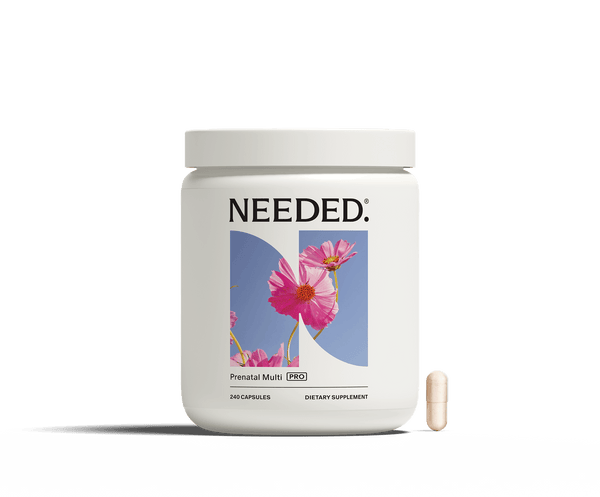
Hormone imbalances can cause irregular periods, making it more challenging to conceive. However, lifestyle changes like eating a healthy diet, getting a good night’s sleep, and managing your stress levels can all help you rebalance your hormones. Add Needed’s fertility supplements for women to your daily routine to support prenatal hormone balance.


