










Did you know that the placenta is the only organ your body builds specifically for pregnancy? Often described as the "lifeline between mother and baby," the placenta plays a crucial role in nutrient delivery, waste elimination, and hormone production. To perform these critical functions, the temporary organ draws resources from your bloodstream, so what you eat can directly affect your placental function.
That makes maternal nutrition one of the most direct levers you have over placental function. Here's what the research says about the nutrients that support a healthy placenta, along with tips for nourishing it for the best pregnancy outcomes.
Key Takeaways
- The placenta is the sole nutrient bridge between a mother and her baby, and maternal diet directly shapes how well it works — every bit of oxygen, protein, and micronutrient the baby receives passes through this organ, so gaps in the mother's diet can constrain placental function.
- Five nutrients do the most to support placental development: iron, protein, folate, omega-3 DHA, and antioxidants. Iron builds hemoglobin, which carries oxygen across the placenta, and anemia affects roughly 40% of pregnant women worldwide, most often due to iron deficiency.
- Omega-3 DHA intake during pregnancy is linked to longer gestation — a 2018 Cochrane review of nearly 20,000 women associated omega-3 supplementation with an 11% lower rate of preterm birth and a 42% lower rate of early preterm birth before 34 weeks.
- Protein needs climb as the placenta grows — the recommended intake rises from about 46 g/day in early pregnancy to roughly 71 g/day in the second and third trimesters, about 25 g more each day to build placental and fetal tissue.
- Support your placenta by pairing a nutrient-dense diet with provider-guided supplementation, and cap caffeine at under 200 mg a day — ACOG's threshold of about two cups of coffee matters because caffeine crosses the placenta; confirm your individual needs with your OB-GYN or a registered dietitian (ACOG).
The Role of the Placenta
First, let’s understand the placenta’s role. This temporary organ develops in the uterus during pregnancy, attaches to the uterine wall, and connects to the baby via the umbilical cord. It’s responsible for transferring oxygen and nutrients from the mother’s blood to the fetus and removing waste products from the fetus's blood. Essentially, it acts as a gatekeeper, ensuring your baby gets what it needs to grow and thrive.
Because it has no independent nutrient supply, the mother's diet and circulation determine the quality of the placenta's supply.
Nutrients That Support Placenta Health
A healthy diet is critical for optimal placenta function. Focus on the following nutrients to support your placenta and overall prenatal health.
Iron
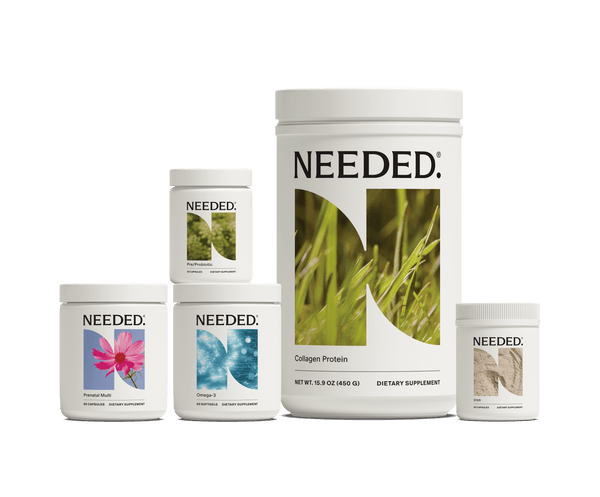
Essential for producing hemoglobin, which carries oxygen in the blood. Low iron levels can lead to anemia, which affects roughly 40% of pregnant women around the world, reducing oxygen supply to your baby. Depending on your individual needs, you can support your body's iron reserves with a supplement like Needed's Prenatal Iron.
Protein
The building blocks of cells, protein is necessary for the growth and repair of placental tissues. Requirements rise meaningfully in pregnancy — from about 46 g/day early on to roughly 71 g/day in the second and third trimesters, about 25 g more per day. This should come from your diet, but you can also add a Collagen supplement, like Needed's Collagen Protein, to food and drinks to help support your body's growing needs.
Folate
Vital for cell division and DNA synthesis, folate helps prevent neural tube defects and supports placental development. Providers recommend prenatal supplements to support this need. Because form matters, it's worth understanding the difference between the folate your body uses directly and synthetic folic acid — read more about why Needed recommends Folate VS Folic Acid.
Omega-3 Fatty Acids (DHA)
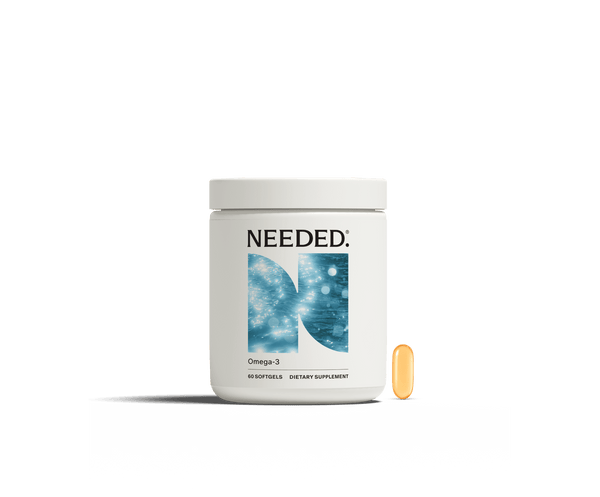
These fats are crucial for brain development and can help support healthy fetal development by supporting placental blood flow. In a study of over 20,000 women, omega-3 supplementation was associated with an 11% lower rate of preterm birth and a 42% lower rate of early preterm birth (before 34 weeks).
Many U.S. women fall below recommended omega-3 levels, so oily fish (salmon, sardines) and a DHA-containing prenatal are both reliable ways to close the gap.
Antioxidants
Found in a wide variety of colorful fruits and vegetables, antioxidants help protect placental cells from everyday oxidative stress. A varied, produce-forward plate is the simplest way to supply a broad range of these compounds alongside the vitamins that support healthy cellular function.
Foods to Include in Your Diet
To ensure you’re getting these essential nutrients, incorporate the following foods into your diet:
- Leafy Greens: Spinach, kale, and other greens are rich in folate and iron.
- Lean Proteins: Chicken, fish, and legumes provide high-quality protein.
- Whole Grains: Brown rice, quinoa, and whole wheat products are excellent sources of complex carbohydrates and fiber.
- Fruits and Vegetables: A colorful variety ensures you’re getting a range of antioxidants and vitamins.
- Nuts and Seeds: These provide healthy fats, protein, and essential minerals.
Why Hydration is Key
Staying hydrated is equally important. Proper hydration ensures adequate blood volume, supporting the placenta in delivering nutrients and oxygen efficiently. Aim for at least eight glasses of water a day, and increase your intake if you’re physically active or living in a hot climate. You can also support your electrolytes with something like Needed's Hydration Support.
What to Avoid
Certain foods and substances can negatively impact placental function:
- Ultra-Processed Foods: High in unhealthy fats, sugars, and additives, these can lead to inflammation and poor placental health.
- Caffeine: While moderate consumption is generally safe, excessive caffeine can restrict blood flow to the placenta.
- Alcohol and Tobacco: Both can severely affect placental development and function, leading to complications such as low birth weight and preterm delivery. There is no established safe level of either in pregnancy.
Frequently Asked Questions
Can your diet really affect placenta function? Yes. The placenta has no independent nutrient supply and draws everything it needs from the mother's bloodstream. That makes maternal nutrition one of the most direct influences on how well the placenta develops and functions throughout pregnancy.
Which nutrients matter most for a healthy placenta? Five nutrients do the heaviest lifting: iron, protein, folate, omega-3 DHA, and antioxidants. Iron builds hemoglobin that carries oxygen across the placenta; protein supplies the building blocks for placental tissue; folate supports cell division; omega-3 DHA supports blood flow and fetal brain development; and antioxidants from fruits and vegetables help protect placental cells from oxidative stress.
How does omega-3 DHA support pregnancy? Omega-3 DHA supports fetal brain development and healthy placental blood flow, and it is strongly linked to longer gestation, possibly reducing preterm and early (before 34 weeks) birth.
How much caffeine is safe during pregnancy? The American College of Obstetricians and Gynecologists advises keeping caffeine under 200 mg a day — about two cups of coffee. Caffeine crosses the placenta, so it's better to err on the side of caution. Remember that tea, soda, chocolate, and energy drinks also add to your daily total.
What should I avoid for placental health? Limit ultra-processed foods and excess caffeine, and avoid alcohol and tobacco entirely. Alcohol and tobacco both affect placental development and blood flow and are associated with outcomes such as low birth weight and preterm delivery. There is no established safe level of either during pregnancy.
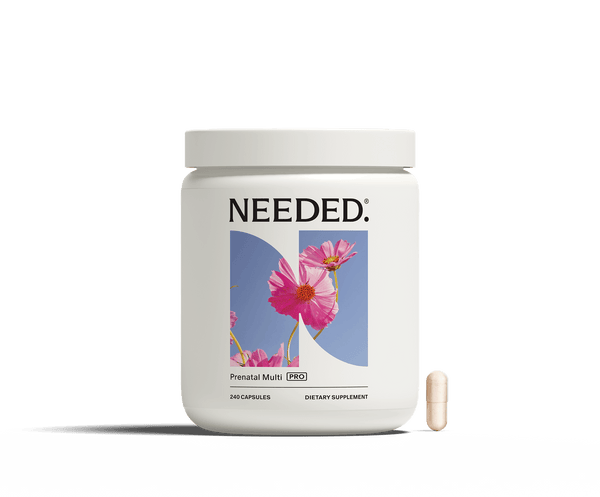
Can I get everything I need from food, or do I need supplements? A nutrient-dense diet is always the best foundation, but many women find it hard to meet that target through food alone — particularly for iron, folate, and omega-3 DHA. A well-formulated prenatal plus targeted supplements can help fill those gaps. Confirm your individual needs with your OB-GYN or a registered dietitian.
When does the placenta form? The placenta begins developing shortly after the fertilized egg implants in the uterine wall, early in the first trimester. It is generally fully functional by the end of the first trimester.
The Bottom Line
Your diet plays a pivotal role in the health of your placenta and, consequently, your baby’s well-being. Focusing on a balanced intake of essential nutrients, staying hydrated, and avoiding harmful substances can support optimal placental function.
As always, consult with your healthcare provider or a registered dietitian for personalized advice tailored to your pregnancy journey.


