









Luteal Phase Food Tips and Recipes
During the luteal phase, progesterone peaks and estrogen rises slightly. Near the end of the luteal phase, hormone levels drop right before your next period starts. This drop in hormones is responsible for PMS symptoms.
Keep reading to learn more about the best foods, tips and meal ideas to eat during your luteal phase to support your hormones and maybe even reduce PMS-related symptoms.
Key Takeaways
-
Luteal phase foods rich in magnesium, calcium, and omega-3s can meaningfully reduce PMS symptoms — Research shows that low serum levels of calcium and vitamin D during the luteal phase exacerbate PMS, while magnesium helps reduce water retention caused by rising progesterone. Prioritizing nutrient-dense whole foods like wild-caught salmon, leafy greens, almonds, and dark chocolate during the ~14 days before your period addresses the specific hormonal shifts driving discomfort. Needed's Omega-3 supplement (available in fish-based and algae-based formulations) can help lower prostaglandins, one of the primary culprits behind cramping and period pain.
-
What to eat during the luteal phase starts with protein at every meal to stabilize blood sugar — As your body prepares to shed its uterine lining, blood sugar fluctuations intensify cravings and fatigue. Including pasture-raised poultry, wild-caught fish, beans, lentils, or a high-quality collagen supplement like Needed's Collagen Protein at each meal and snack helps maintain steady energy. Pairing protein with complex carbohydrates and healthy fats creates the balanced, nutrient-dense meals that best support the metabolic demands of the luteal phase.
-
Your body may burn up to 300 additional calories during the luteal phase due to a natural rise in resting metabolic rate — A 2023 study published in PMC found that some women's metabolic rates increase measurably in the second half of their cycle, which explains the heightened hunger many experience before their period. Rather than restricting intake, the best luteal phase diet honors those hunger cues with fiber-rich foods like pears, flax seeds, chia seeds, and legumes that support digestion — especially important since rising progesterone can slow gut motility and cause bloating.
-
Vitamin C may increase progesterone production, making it a key nutrient in any luteal phase diet — Research suggests that adequate vitamin C supports the corpus luteum's ability to produce progesterone, the dominant hormone of the luteal phase. Foods to eat during the luteal phase for vitamin C include bell peppers, kiwis, strawberries, and broccoli. Pairing vitamin C-rich produce with calcium and vitamin D (ideally combined with vitamin K2 for optimal absorption, per a 2017 study in the Journal of Clinical Pharmacology) creates a synergistic nutrient strategy for cycle support.
- The best foods for the luteal phase follow a cycle syncing framework that aligns nutrition with hormonal shifts — Cycle syncing involves tailoring diet, exercise, and lifestyle to each menstrual phase, and during the luteal phase that means emphasizing hearty, warming meals built around complex carbohydrates, healthy fats, and adequate protein. Think sheet pan salmon with roasted sweet potatoes, veggie-packed stews, and snacks like Greek yogurt with berries or apple with almond butter. Supplementing with Needed's Hydration Support alongside fiber-rich whole foods helps counteract the water retention and digestive slowdown that progesterone can trigger in the days before menstruation.
Do you need more calories during the luteal phase?
Some women's resting metabolic rate naturally increases during the luteal phase, so they burn more calories. This increase in metabolic rate varies by person, and there is limited research on how much it may affect calorie burn. Some research suggests that you may burn up to 300 calories more during your luteal phase. Of course, always listen to your body’s hunger and fullness cues and eat to satiety.
Key Nutrients to Eat During the Luteal Phase
Eating a balanced diet is always a win, but during the luteal phase (the days leading up to your period), some nutrients can make a big difference in how you feel. Let’s dive into the key nutrients to focus on and the best foods to get them from.
Magnesium
As your period approaches, magnesium can help reduce water retention caused by rising progesterone levels. It also supports relaxation and better sleep, which can counter the anxious feelings and sleep disruptions that sometimes occur during the luteal phase.
Magnesium-rich luteal phase foods include almonds, cashews, spinach, black beans, avocados, pumpkin seeds, and dark chocolate.
Calcium and Vitamin D
Research has found that low serum levels of calcium and vitamin D during the luteal phase can exacerbate PMS symptoms. Adding supplements or foods rich in calcium and vitamin D can restore serum levels and reduce PMS symptoms.
Dairy products, sardines, sesame seeds, and leafy greens are good sources of calcium. If you take a calcium supplement, be sure to take it in combination with Vitamin D, Magnesium, and Vitamin K2.
Since getting the daily recommended amount of vitamin D from food can be challenging, consider a supplement that should be paired with vitamin K2. Vitamin K2 supports calcium and D absorption.
Vitamin C
Vitamin C may increase progesterone production and help with PMS symptoms. Luteal phase foods rich in vitamin C include bell peppers, kiwis, strawberries, oranges, papaya, broccoli, tomatoes, and cauliflower.
Protein
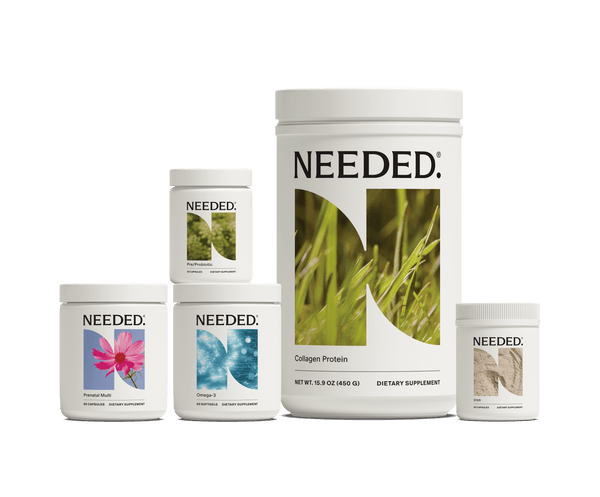
Protein helps balance blood sugar as your body prepares to bleed during your period. Aim to include protein at each meal and snack. Good options include pasture-raised poultry and eggs, wild-caught fish, grass-fed meat, beans, and lentils. A high-quality collagen supplement is another easy way to add protein to your diet. Just add it to any liquid or soft food.
Fiber
Some women find that the rise in progesterone during the luteal phase can slow down digestion, causing constipation and bloating. Incorporating plenty of fiber from whole foods and staying hydrated can help keep things moving along.
Some good fiber-rich luteal phase foods include fruits (pears and prunes in particular), root vegetables, leafy greens, nuts and seeds (especially flax and chia), and beans and legumes (like chickpeas and lentils).
Omega-3s
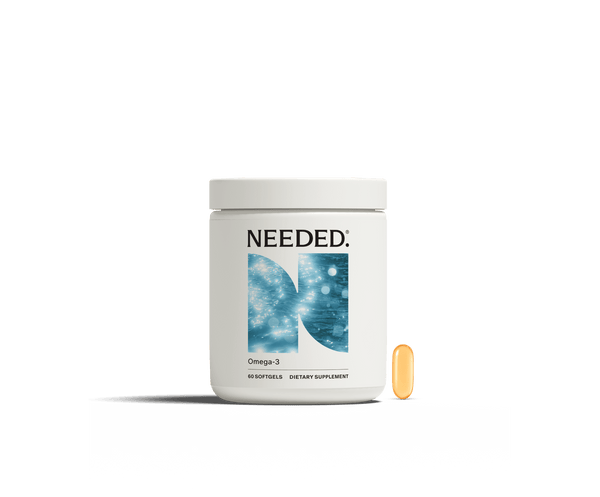
Omega-3 fatty acids can help promote a healthy inflammatory response and may help lower prostaglandins, one of the culprits behind cramping and period pain. Some good luteal phase foods rich in omega-3s include:
- Fatty fish like wild-caught salmon and sardines.
- Edamame, kidney beans and wheat germ
- Walnuts, chia seeds, and flax seeds
Plant-based sources of Omega-3 aren’t as abundant as fatty fish, so if you don’t consume fish at least once a week, an Omega-3 supplement is a good idea. Needed offers a high-potency fish-based supplement and an algae-based (vegan) Omega-3 supplement.
Benefits Of Eating For Your Luteal Phase
Cycle syncing involves considering your hormones when planning your diet, exercise, and lifestyle habits during each menstrual cycle phase. The practice helps you align your daily routines based on how hormonal shifts affect your energy levels and mood, among other factors.
By eating for your luteal phase, you align with the specific metabolic and hormone changes in the later part of your menstrual cycle. By considering what’s happening with your hormones, you can help support your mind and body. This may help manage hormones and blood sugar, improve digestion and sleep, mitigate PMS symptoms, and more.
Meal Ideas for Your Luteal Phase
The best luteal phase meals are nutrient-dense and balanced in protein, healthy fats, and complex carbohydrates. Think hearty soups, stews, veggie-packed salads, stir-fries, and sheet pan meals.
Breakfast
Scrambled pastured eggs with spinach, red peppers, grass-fed butter or olive oil, sea salt, and whatever herbs you like. Serve with a side of sauteed diced potatoes for a filling carbohydrate.
Needed Recipe Inspiration
- Collagen Protein Pancakes – needed.
- Grain-Free Keto Oatmeal – needed.
- Vanilla Cinnamon Overnight Oats – needed.
Lunch
Greek salad with romaine, arugula, chicken, kalamata olives, feta cheese, tomatoes, chickpeas, and a simple dressing of lemon juice, balsamic vinegar, and extra-virgin olive oil.
Needed Recipe Inspiration:
Dinner
Wild-caught salmon with roasted cauliflower and sweet potatoes seasoned with olive or avocado oil, garlic, smoked paprika, and salt.
Snacks / Dessert
Aim to include some protein and/or fat with each snack. Some ideas include full-fat cottage cheese and fruit, Greek yogurt and granola or berries, carrots and hummus, apple and almond butter, walnuts and raisins.
Needed Recipe Inspiration:
- Avocado Cacao Collagen Pudding: A Family Favorite – needed.
- Needed Shamrock Shake
- Collagen Pumpkin Pie – needed.


